The Nuclear Reactors
The nuclear reactor is the heart of a nuclear power plant. It consists of a reactor vessel or another structure housing the reactor core loaded with nuclear fuel. Controlled fission takes place in the nuclear fuel, releasing thermal energy that is removed by a coolant and used to generate electricity. Nuclear reactors can be classified based on the type of coolant and moderator they use. The most common type of reactor is the pressurised water reactor (PWR), which uses light water both as its coolant and moderator. The development of new fission reactors is focused on simpler and more economical designs, easier operation, improved efficiency, longer service life and greater use of inherent and passive safety features.
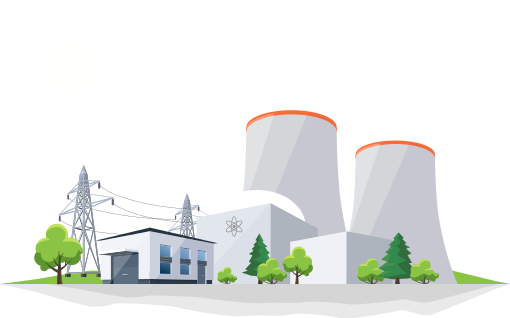
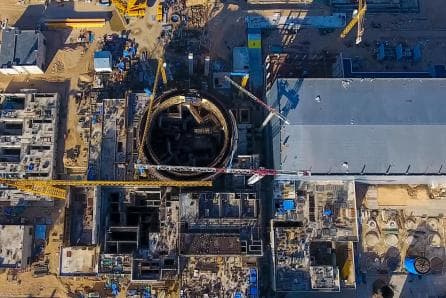
The Nuclear Power Plant — How it Works
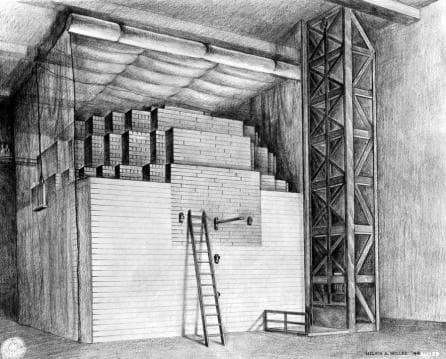
The First Reactor
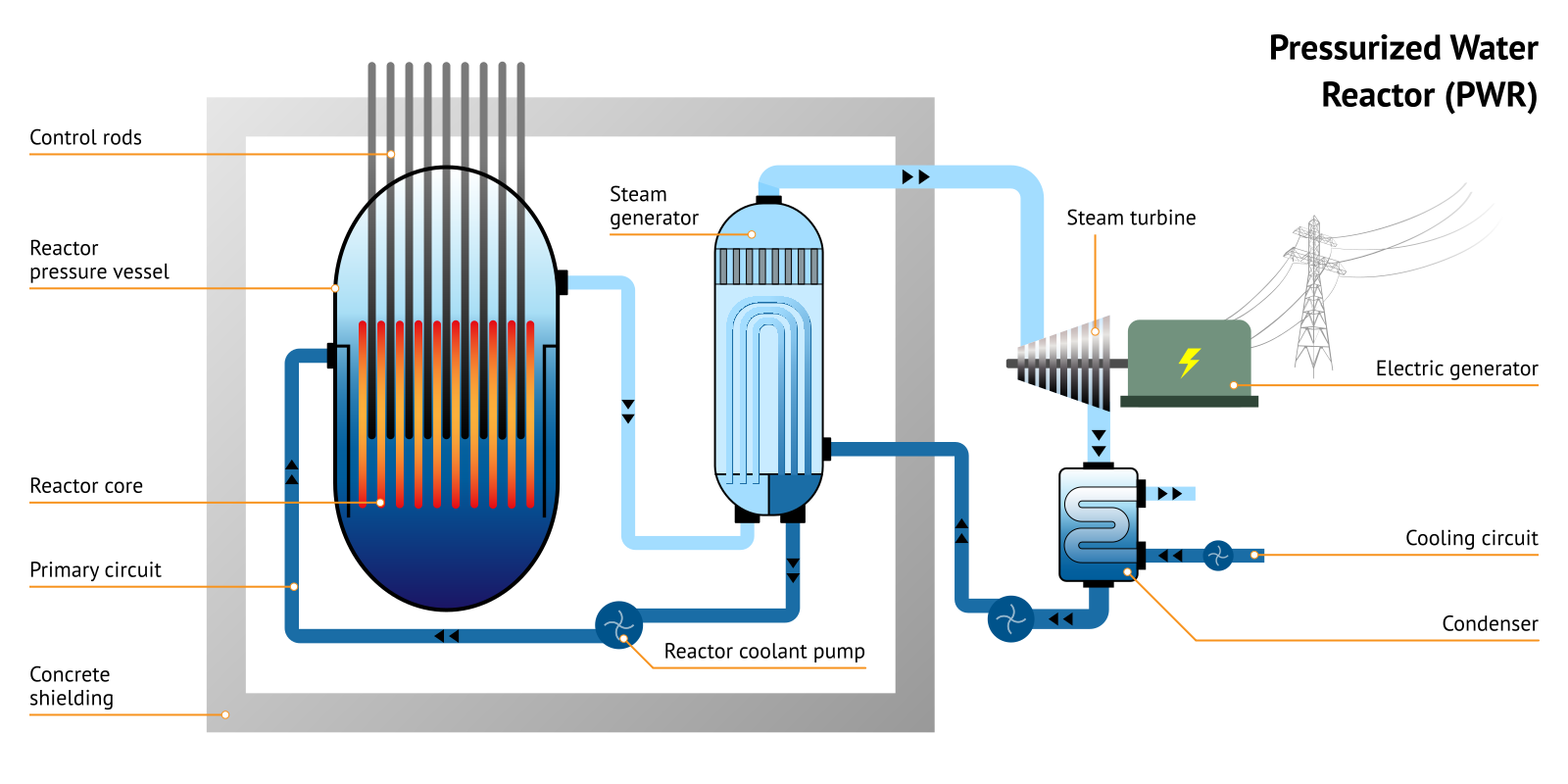
Pressurized Water Reactor (PWR)
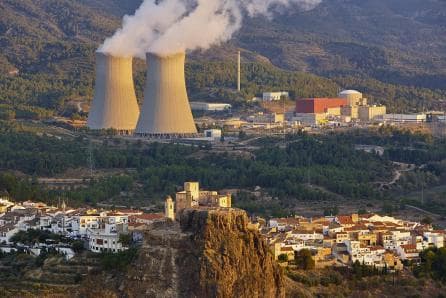
Boiling Water Reactor (BWR)
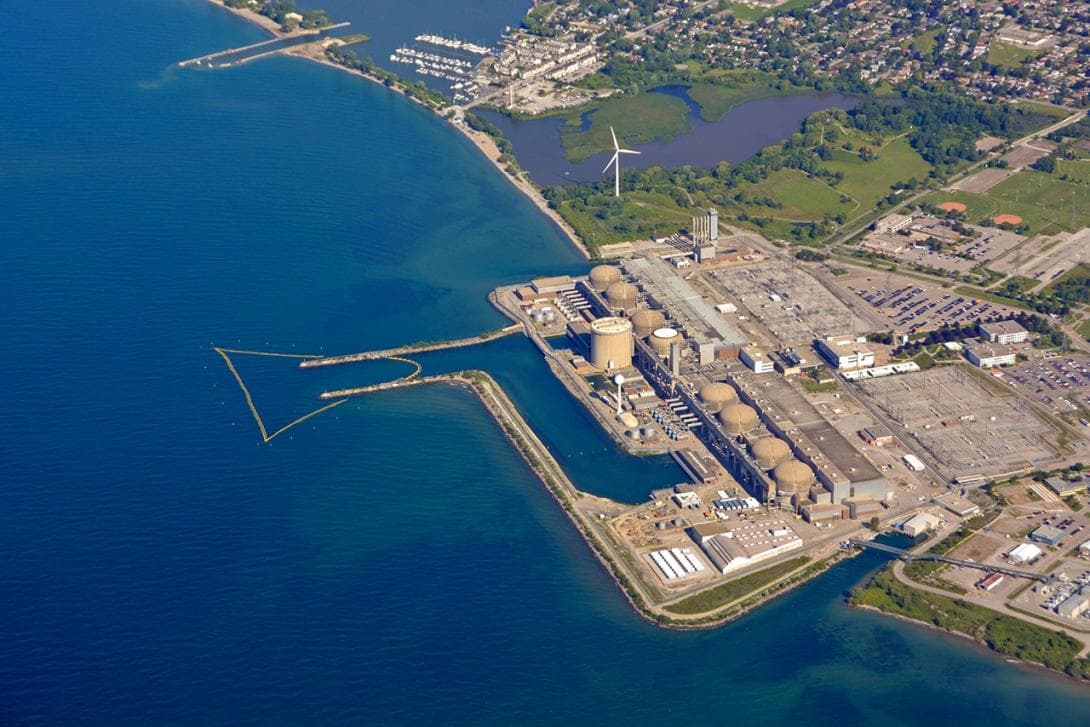
Heavy Water Reactor (PHWR)
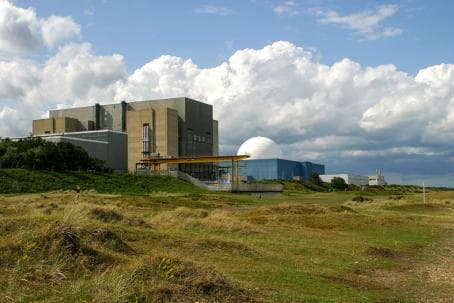
Gas-cooled Reactor (GCR) and AGR
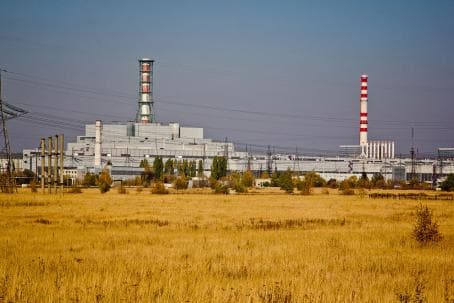
RBMK Type Reactor
High Temperature Reactor (HTGR)
Reactor Using Fast Neutrons (FR)
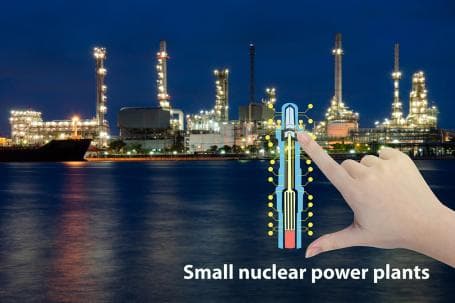
Small Modular Reactors
The Future of Fission Reactors