RBMK Type Reactor
3 min read · Energy Atlas Editorial
The Soviet RBMK reactor uses graphite as a moderator and light water, that boils in the channels, as a coolant. Chernobyl reactor was of RBMK type.
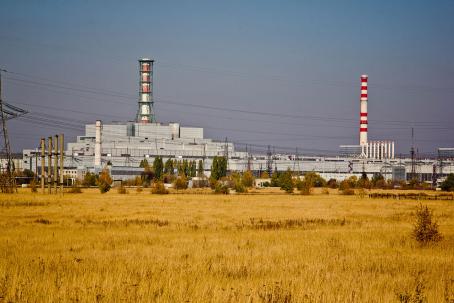
The RBMK (reaktor bolshoy moshchnosti kanalnyy, or high-power channel-type reactor) was developed in the Soviet Union and was never constructed outside it. Its design evolved from earlier Soviet graphite-moderated, water-cooled channel reactors developed in connection with plutonium-production technology. Today, RBMK reactors remain in operation only in Russia, and no new units are being constructed.
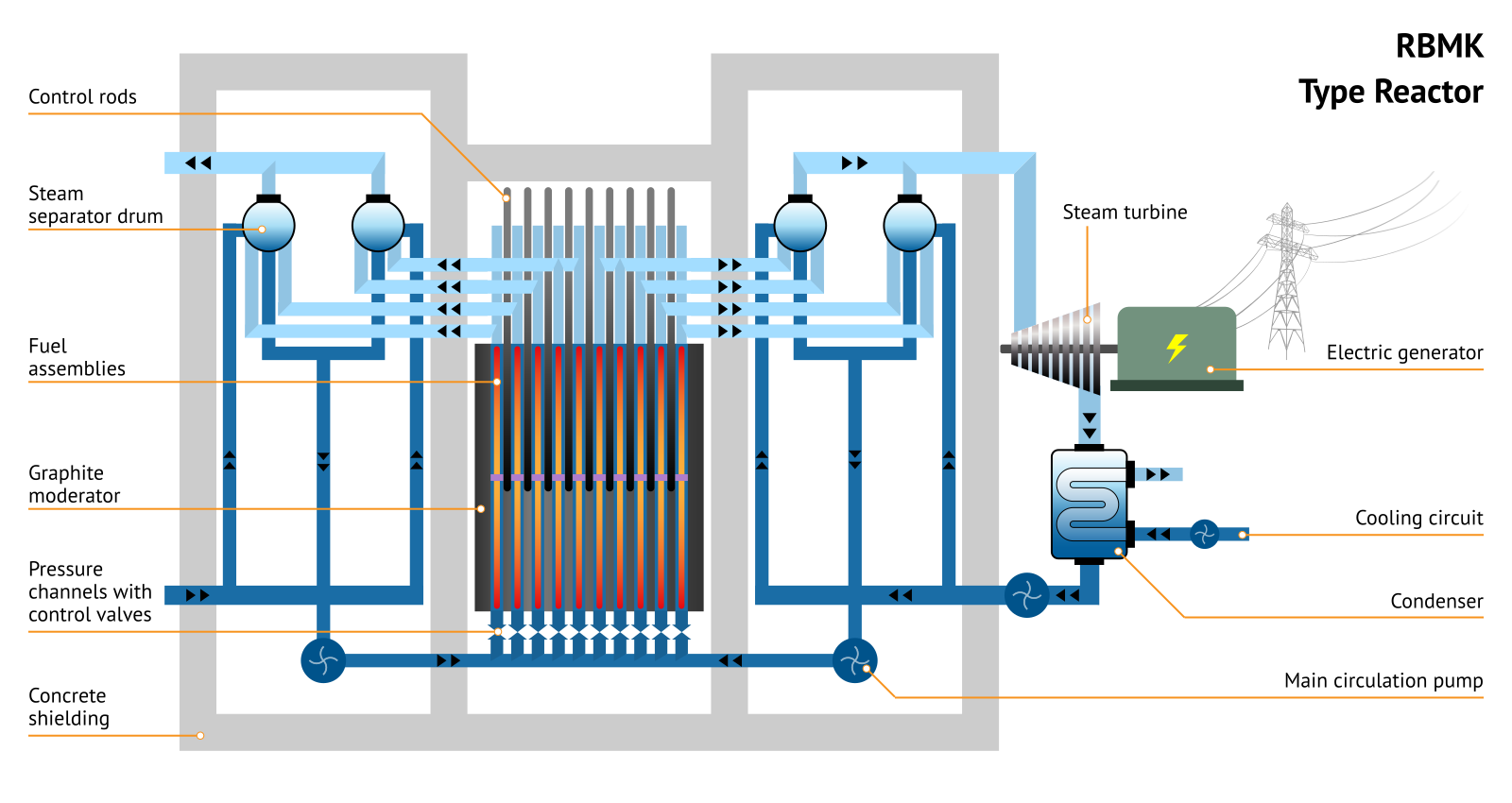
Slightly enriched uranium, with an enrichment of up to about 2.8%, is used as fuel. Fuel rods approximately 3.65 metres long are grouped in sets of 18 to form fuel bundles. Two fuel bundles form a fuel assembly approximately 10 metres long, which is inserted into an individual pressure channel. An RBMK-1000 core contains 1,661 fuel channels and is approximately 11.8 metres in diameter and 7 metres high. Unlike most Western power reactors, the RBMK does not have a single pressure vessel surrounding the reactor core; instead, each fuel channel forms part of the pressurised coolant system. RBMK reactors can be refuelled while operating.
Graphite blocks surrounding the fuel channels are used as the moderator. Light water flowing upwards through the pressure channels is used as the coolant and boils directly inside them. The coolant pressure is about 7 MPa and its temperature is approximately 285 °C when leaving the core. The steam-water mixture is passed through steam separators, and the separated steam is supplied directly to a turbine. An RBMK nuclear power plant therefore uses a single-circuit arrangement.
3 pictures 3 pictures
The best-known RBMK reactor was Unit 4 of the Chernobyl Nuclear Power Plant in Ukraine, which was destroyed in 1986 in the worst accident in the history of commercial nuclear power. The accident resulted from a combination of serious reactor design deficiencies and actions taken by the operating staff during a safety test.
Keep reading
Articles
The Nuclear Power Plant — How it Works
Inside the nuclear power plant reactor, a controlled fission reaction takes place. Heat removed by coolant is used to produce steam to propel the turbine.
5 min read
The First Reactor
The first fission reactor was Chicago Pile No. 1, constructed by Enrico Fermi (2.12.1942). The first experimental nuclear power plant was the EBR-1.
3 min read
Pressurized Water Reactor (PWR)
The pressurized water reactor (PWR) uses light water at a pressure of 15.7 MPa as a coolant. Steam in the secondary circuit propels the turbine.
3 min read
Boiling Water Reactor (BWR)
In a boiling water reactor (BWR), the water boils directly inside the reactor. Dried steam propels the turbogenerator. It is a single-circuit power plant.
3 min read
Heavy Water Reactor (PHWR)
The pressurized heavy water reactor (PHWR) uses natural uranium as fuel and heavy water as coolant and moderator. Most of them are of the CANDU type.
3 min read
Gas-cooled Reactor (GCR) and Advanced Gas-cooled Reactor (AGR)
Gas cooled reactors (GCR), used in Japan and the UK, use graphite as a moderator and pressurized CO2 as a coolant. It is a double-circuit power plant.
3 min read
High Temperature Reactor (HTGR)
In a High Temperature Gas-cooled Reactor (HTGR), the highly enriched uranium spheres are dispersed in graphite (moderator) balls. Helium is a coolant.
3 min read
Reactor Using Fast Neutrons (FR)
A reactor using fast neutron (FR) burns a mixture of uranium and plutonium. Fast breeder reactors (FBR) produce more plutonium than they consume.
3 min read
Small Modular Reactors
Inside a nuclear reactor, a fission reaction takes place. Released energy is removed by coolant and used to generate electricity. A common reactor is PWR.
16 min read
The Future of Fission Reactors
Several types of Generation IV reactors are under development: fast reactors cooled by lead, molten salts, or sodium; HTGR, or supercritical water reactor.
4 min read