Gas-cooled Reactor (GCR) and Advanced Gas-cooled Reactor (AGR)
3 min read · Energy Atlas Editorial
Gas cooled reactors (GCR), used in Japan and the UK, use graphite as a moderator and pressurized CO2 as a coolant. It is a double-circuit power plant.
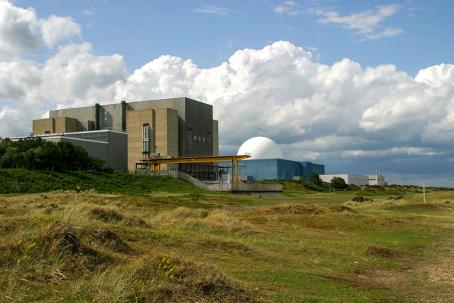
Gas-cooled reactors (GCRs) use gas as the coolant and graphite as the moderator. The first generation of British commercial gas-cooled reactors was known as Magnox, after the magnesium alloy used to clad their fuel. The last Magnox reactor was shut down in 2015. The more advanced AGR (Advanced Gas-cooled Reactor) was subsequently developed in Great Britain and several AGRs remain in operation there today.
Magnox reactors used natural uranium metal as fuel, clad in a magnesium alloy. The reactor core consisted of a large structure of graphite blocks penetrated by numerous vertical fuel channels containing the fuel elements. Carbon dioxide circulated through these channels to remove heat from the fuel. Many Magnox reactors could be refuelled while operating.
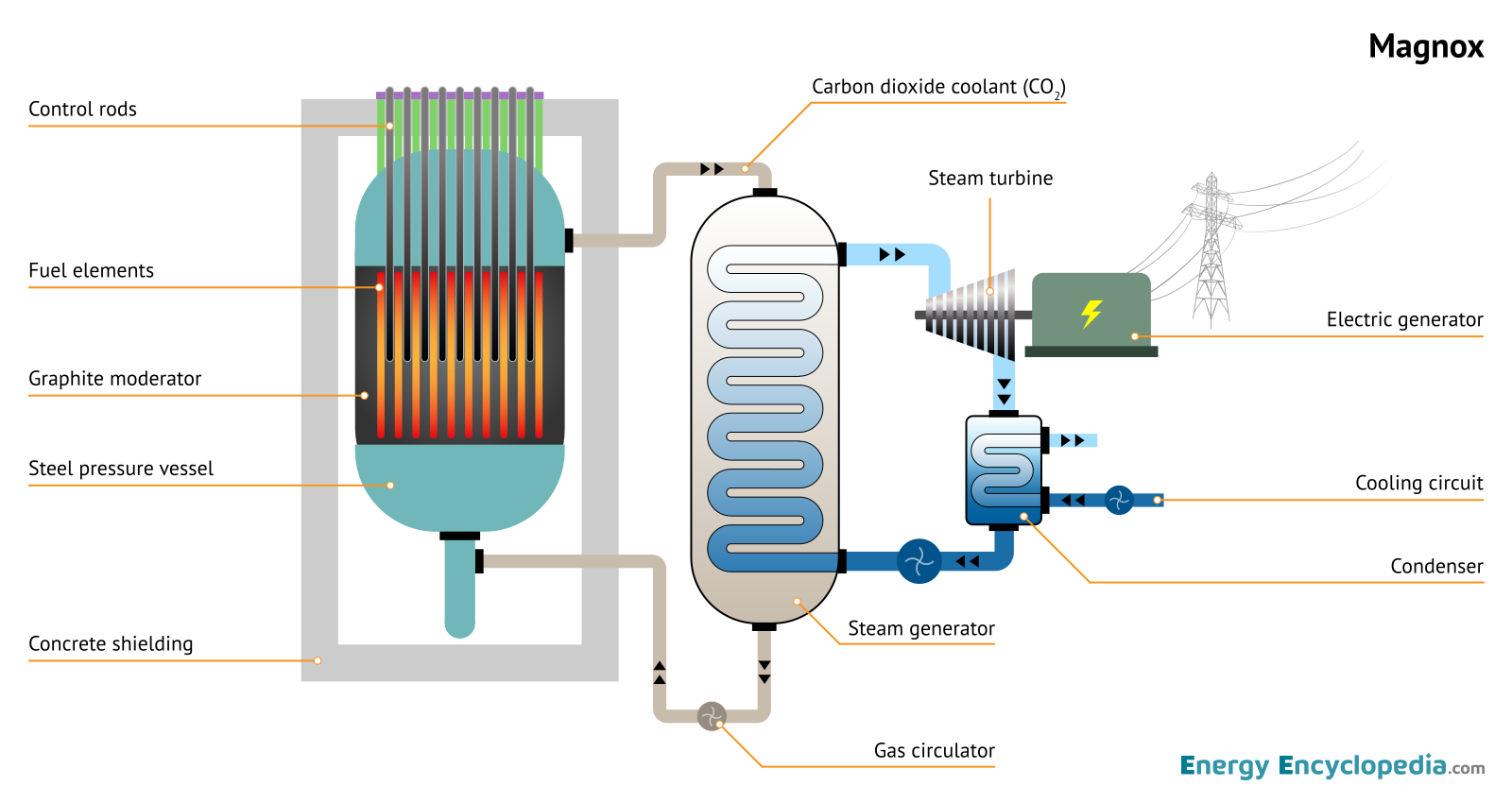
Graphite blocks are used as the moderator, with fuel channels passing vertically through the graphite core. Carbon dioxide (CO2) is used as the coolant. In Magnox reactors, the gas leaves the core at a temperature of around 400 °C. AGRs use slightly enriched uranium dioxide fuel clad in stainless steel, allowing the carbon dioxide coolant to reach temperatures of around 650 °C. The hot gas transfers its thermal energy to water in steam generators, producing steam that drives a turbine. Both Magnox and AGR power plants therefore use a two-circuit arrangement.
3 pictures 3 pictures
The high coolant temperature of AGRs allows them to achieve a thermal efficiency of around 40%, unusually high for a nuclear power plant.
Keep reading
Articles
The Nuclear Power Plant — How it Works
Inside the nuclear power plant reactor, a controlled fission reaction takes place. Heat removed by coolant is used to produce steam to propel the turbine.
5 min read
The First Reactor
The first fission reactor was Chicago Pile No. 1, constructed by Enrico Fermi (2.12.1942). The first experimental nuclear power plant was the EBR-1.
3 min read
Pressurized Water Reactor (PWR)
The pressurized water reactor (PWR) uses light water at a pressure of 15.7 MPa as a coolant. Steam in the secondary circuit propels the turbine.
3 min read
Boiling Water Reactor (BWR)
In a boiling water reactor (BWR), the water boils directly inside the reactor. Dried steam propels the turbogenerator. It is a single-circuit power plant.
3 min read
Heavy Water Reactor (PHWR)
The pressurized heavy water reactor (PHWR) uses natural uranium as fuel and heavy water as coolant and moderator. Most of them are of the CANDU type.
3 min read
RBMK Type Reactor
The Soviet RBMK reactor uses graphite as a moderator and light water, that boils in the channels, as a coolant. Chernobyl reactor was of RBMK type.
3 min read
High Temperature Reactor (HTGR)
In a High Temperature Gas-cooled Reactor (HTGR), the highly enriched uranium spheres are dispersed in graphite (moderator) balls. Helium is a coolant.
3 min read
Reactor Using Fast Neutrons (FR)
A reactor using fast neutron (FR) burns a mixture of uranium and plutonium. Fast breeder reactors (FBR) produce more plutonium than they consume.
3 min read
Small Modular Reactors
Inside a nuclear reactor, a fission reaction takes place. Released energy is removed by coolant and used to generate electricity. A common reactor is PWR.
16 min read
The Future of Fission Reactors
Several types of Generation IV reactors are under development: fast reactors cooled by lead, molten salts, or sodium; HTGR, or supercritical water reactor.
4 min read