
Radioactivity
5 min read · Energy Atlas Editorial
Radioactivity is a natural phenomenon. Unstable atom nuclei release particles: helium nuclei (alpha); electrons or positrons (beta); photons (gamma).
Radioactivity is a natural part of our environment. Since it cannot be perceived directly by our senses, its existence remained unknown until the development of experimental methods capable of detecting its effects. The discovery of radioactivity opened the way to a better understanding of the structure of the atom and subsequently to the utilisation of nuclear energy.
The Ancient Greeks already searched for answers to the question: what is the essence of our world? Based on philosophical reasoning, Leucippus (approximately 500—440 BC) came to the conclusion that matter could not be divided indefinitely. His successor, Democritus (approximately 460—370 BC), developed this idea and postulated the existence of atoms — small, indivisible and indestructible particles that make up the entire universe.
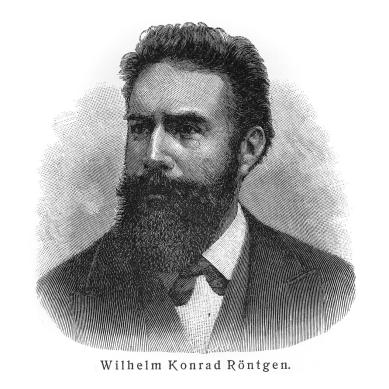
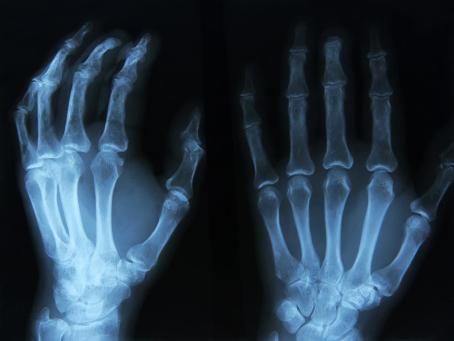
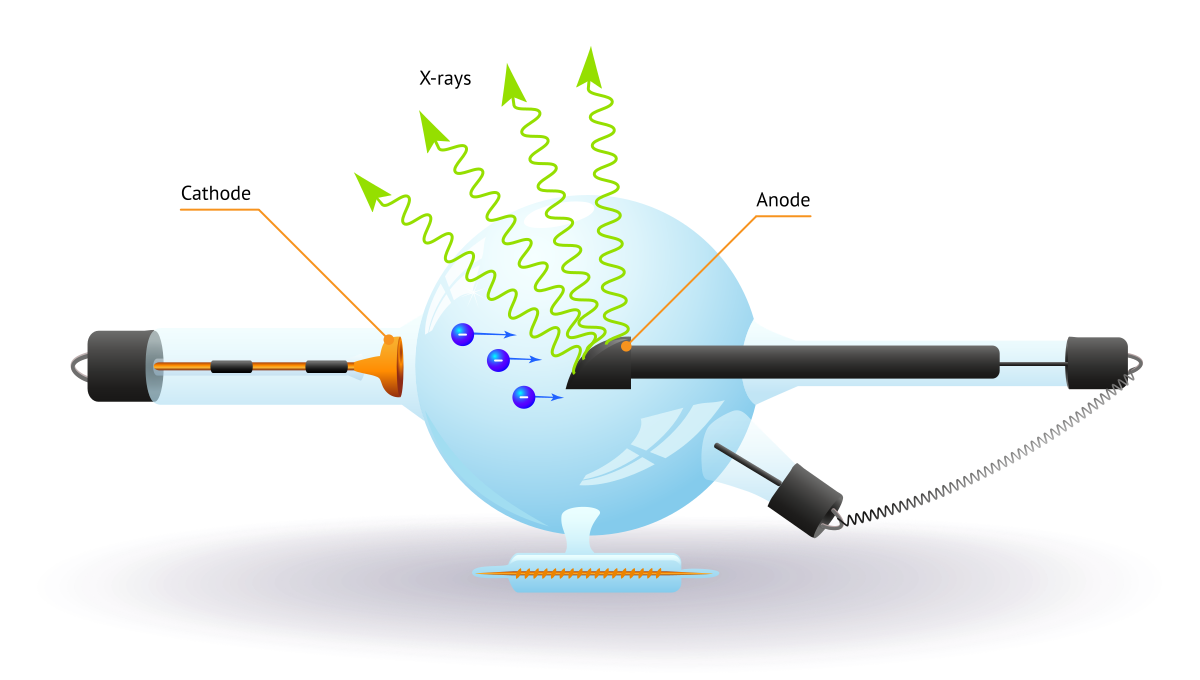
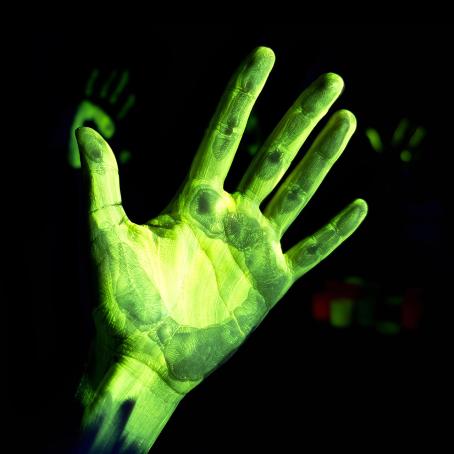
Little was known about the internal structure of the atom until Wilhelm Conrad Röntgen (1845—1923) discovered X-rays in 1895 while experimenting with cathode-ray tubes. He found that this previously unknown radiation could penetrate materials opaque to visible light. One of the earliest X-ray images, showing the hand of his wife Anna Bertha Röntgen, became famous around the world. A year later, Henri Becquerel (1852—1908) began investigating whether phosphorescent materials might emit penetrating radiation similar to X-rays.
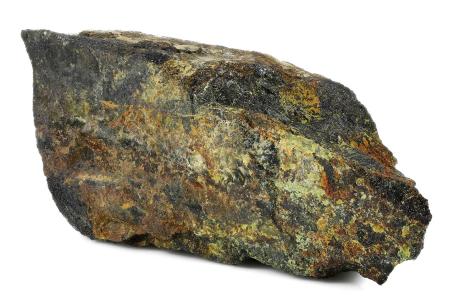
Becquerel investigated various phosphorescent materials, exposing them to sunlight to determine whether they emitted penetrating radiation similar to X-rays. He focused particularly on uranium salts, placing them on photographic plates wrapped in black paper and exposing them to sunlight. When cloudy weather interrupted his experiments, he stored a uranium salt together with an unexposed photographic plate in a dark drawer. On developing the plate, he unexpectedly found a strong image even though the uranium salt had not first been exposed to sunlight. Becquerel concluded that uranium emitted penetrating radiation spontaneously, without requiring an external source of energy. Marie Skłodowska-Curie (1867—1934) later introduced the term "radioactivity" for this phenomenon.
Another piece of the atomic puzzle was found by J. J. Thomson (1856—1940), who studied cathode rays and in 1897 identified the negatively charged particles now known as electrons. He concluded that electrons were components of atoms. To explain the overall electrical neutrality of the atom, Thomson later proposed a model in which negatively charged electrons were embedded in a diffuse region of positive charge, often compared to raisins in a pudding.
J. J. Thomson initially referred to the particles he discovered as "corpuscles". However, the name "electron", introduced earlier by George Johnstone Stoney, eventually became standard.
This newly discovered radiation was subsequently studied in detail by Ernest Rutherford (1871—1937). In 1899, he distinguished two components of uranium radiation according to their penetrating power and called them alpha and beta radiation. It was later established that alpha particle are helium nuclei, while beta radiation consists of electrons or positrons. A third, even more penetrating type of radiation was discovered by Paul Villard in 1900 and later became known as gamma radiation.
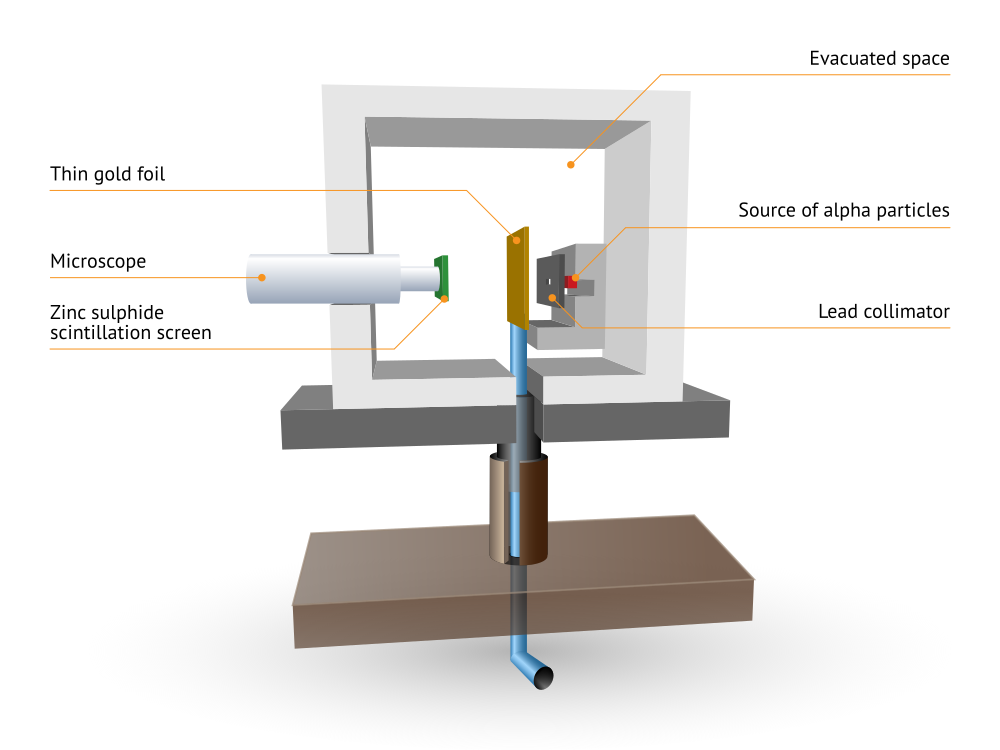
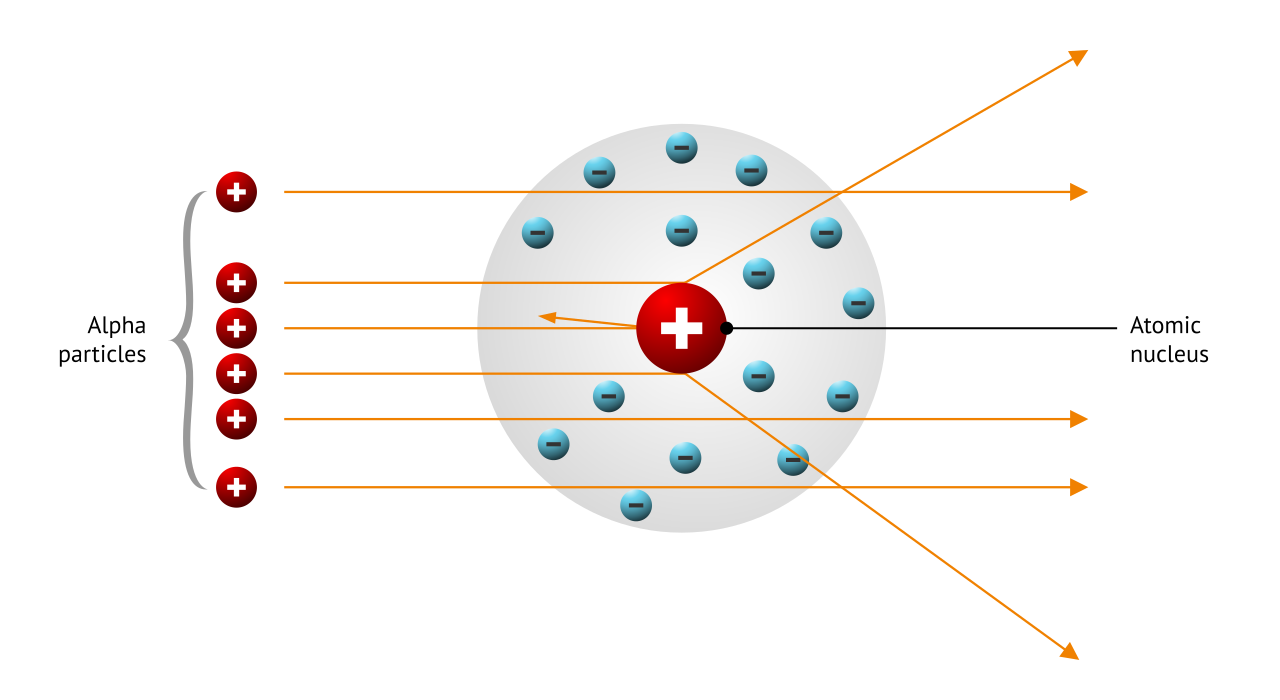
In 1909, Rutherford's colleagues Hans Geiger and Ernest Marsden bombarded a thin gold foil with alpha particles and observed that a small fraction of the particles were deflected through unexpectedly large angles. Rutherford explained these observations in 1911 by proposing that almost all the mass and positive charge of an atom are concentrated in a very small nucleus, with electrons occupying the surrounding space. Most alpha particles therefore passed through the largely empty atom, while the few that approached the positively charged nucleus closely could be strongly deflected.
However, Rutherford's planetary model of the atom could not explain why electrons remained around the nucleus. According to classical physics, accelerating charged particles should emit electromagnetic radiation, lose energy and eventually collapse into the nucleus. In 1913, Niels Bohr (1885—1962) proposed a model incorporating early quantum theory, in which electrons could occupy only certain permitted orbits without continuously losing energy. Transitions between these states involved the absorption or emission of specific quantities of energy. Although the Bohr model was later superseded by quantum mechanics, it remains useful for a basic description of atomic structure. Rutherford identified the hydrogen nucleus as a fundamental constituent of other atomic nuclei in experiments reported in 1919; it subsequently became known as the proton. James Chadwick discovered the neutron in 1932.
The diameter of an atomic nucleus is typically of the order of 10−15 to 10−14 metres, while the diameter of an atom is of the order of 10−10 metres. An atom is therefore roughly 10,000 to 100,000 times larger in diameter than its nucleus.
Atom models
Solid-sphere model Dalton (1803) · Plum pudding model Thomson (1904) · Nuclear model Rutherford (1911) · Bohr model Bohr (1913) · Quantum mechanical model Schrödinger (1926)
The atomic nucleus is composed of protons and neutrons, collectively known as nucleons. The number of protons uniquely identifies each chemical element and is known as its atomic number. Oxygen, for example, has 8 protons, while uranium has 92. The total number of protons and neutrons in a nucleus is called its mass number. Atoms with the same number of protons but different numbers of neutrons are isotopes of the same element. Oxygen, for example, has three stable isotopes, of which 16O is by far the most abundant. Isotopes of the same element have very similar chemical properties but differ in mass and nuclear properties.
A proton or neutron has a mass of approximately 1.67 × 10⁻²⁷ kg.
Most known nuclides are unstable and therefore radioactive; only a few hundred nuclides are stable or have such long half-lives that they are considered observationally stable.
Some combinations of protons and neutrons form unstable nuclei that spontaneously transform towards more stable states. This process is known as radioactive decay. In alpha decay, the nucleus emits an alpha particle, while in beta decay the composition of the nucleus changes through a weak-interaction process accompanied by the emission of a beta particle and a neutrino or antineutrino. These processes can transform one element into another. In gamma decay, by contrast, the nucleus emits a high-energy photon and loses excess energy without changing its numbers of protons or neutrons.
3 pictures 3 pictures
Keep reading
Articles
Ionising Radiation
Ionizing radiation can be classified into alpha, beta, gamma, X-rays, and neutrons, while cosmic radiation is composed primarily of high-energy protons.
4 min read
Natural Sources
Natural sources of radioactivity can be found in the air, soil, cosmic rays, or humans. The annual dose received from them is called "natural background".
4 min read
Man-made Sources
Man-made radioactivity sources are mostly used in medicine for diagnostics and treatment. Coal and nuclear plants produce radioactive waste.
4 min read
Decay Series
Unstable isotopes decay in four decay series (thorium, neptunium, uranium, actinium) into other radionuclides and finally into stable atoms.
3 min read
Quantities and Units
The radioactivity and its effects are measured by detectors and dosimeters (activity in becquerels, dose in grays, equivalent dose in sieverts).
4 min read
Effects of Ionising Radiation
Ionising radiation could change material properties. In living tissue, it could damage DNA and lead to cell death. This is used in tumor treatment.
3 min read
Radiation Doses and Activities
A chart of the radioactivity of various objects (e.g., nuts or coal) and the doses produced by some activities (like eating bananas or visiting Chernobyl).
3 min read
Nuclear Power Summary
Nuclear energy originates from the makeup of the atom. Ionizing radiation caused by decay of the atom nuclei is a natural part of our environment.
17 min read
Questions
How does a nuclear reactor generate electricity?
Fission heat raises steam. A turbine-generator does what it does in any thermal plant.