Energy Encyclopedia

Curious minds welcome

Physics mysteries

Real questions from readers, answered in plain language by physicists. From household energy bills to black holes — explore what you have always wanted to know.

Want to ask something?

Send us an e-mail with the subject "Physics mysteries" to the address below, or use the contact form.

info@energyencyclopedia.com/

We can't wait to tackle your interesting questions!

Physics Mysteries

150 questions answered by our physicists

Page 3 of 8

Edita Bromova

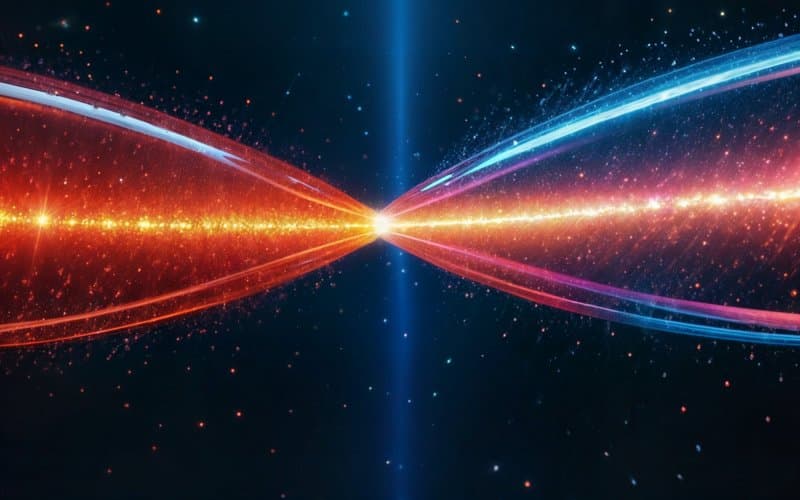
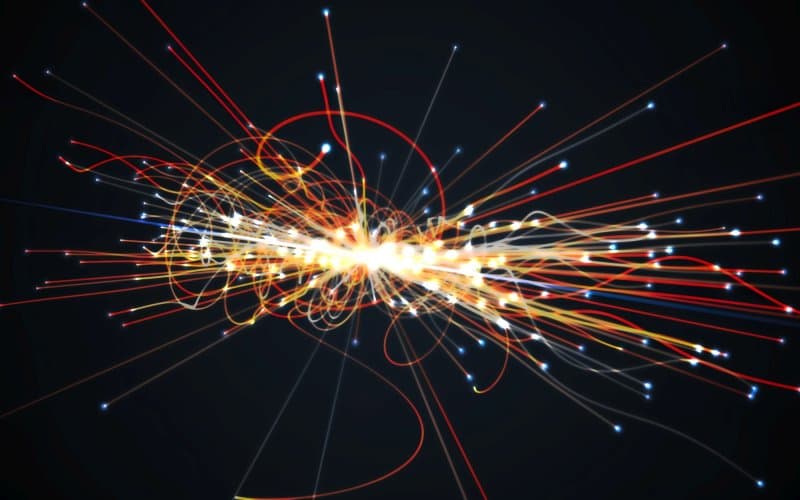
Could two photons collide?

The short answer is yes, they can, but it is extremely unlikely. Photons are quanta of electromagnetic waves. When you turn on a light bulb, it starts producing billions and billions of these particles that whizz through…

Read the answer

Edita Bromova

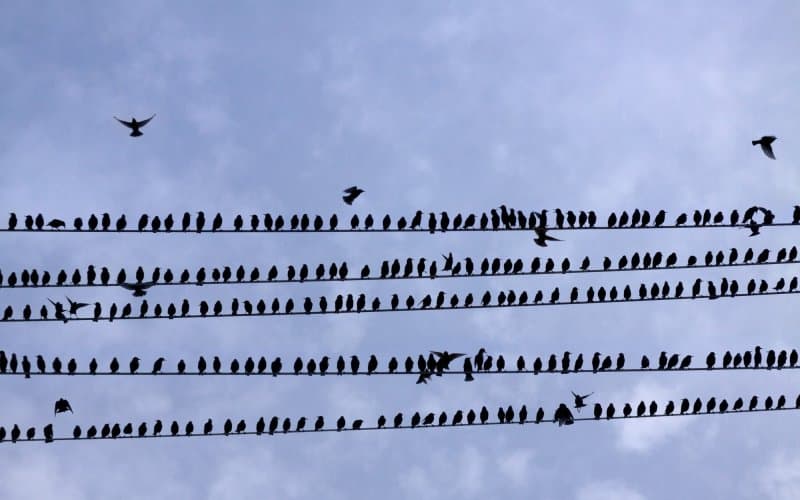
Why can a swallow sit on a wire?

Depending on the distribution power lines of the country in which the bird lives, it can choose to sit on lines with a voltage of 100—400 kV, in some parts of the world even up to 800 kV. Electricity with such a high vol…

Read the answer

Edita Bromova

Can anything be lighter than hydrogen?

Hydrogen is the lightest element in the known universe. It consists of just one proton orbited by a single electron. It would seem, therefore, that nothing could be lighter. Theoretically, it would be possible to create…

Read the answer

Edita Bromova

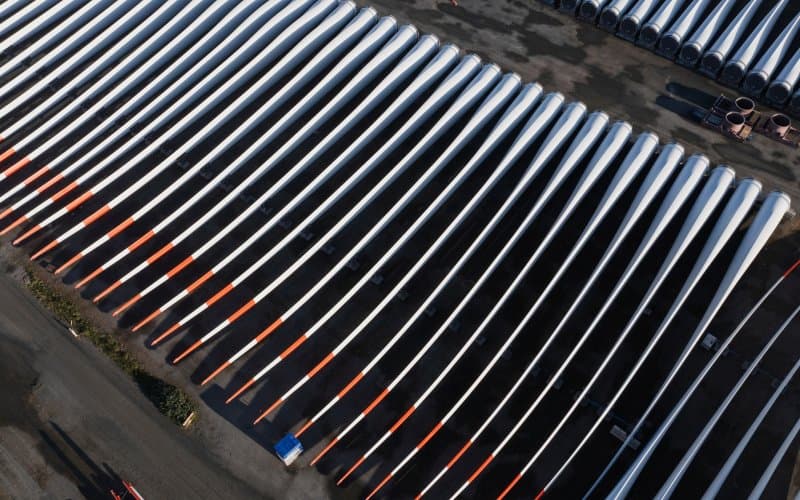
What is done with used wind turbine blades?

Wind turbine blades are made of composites, fiberglass or carbon fibre, strengthened together with polymeric resin. They are designed to withstand harsh natural conditions. Strong winds, rain, frost, and ultraviolet radi…

Read the answer

Edita Bromova

Is a hammer or a feather lighter?

All bodies in the Earth's gravitational field are subject to a gravitational force that gives them the same gravitational acceleration g. If nothing obstructed the bodies when falling, they would all accelerate equally a…

Read the answer

Jaroslav Kores, Ph.D.

Is it possible to travel in time?

So far it seems that time travel is limited by causality — this means that the effect can never precede the cause — I can't be full before I start eating. Therefore, travelling to the future is real, but it is a one-way…

Read the answer

Want to ask something?

Send us an e-mail with the subject "Physics mysteries" to the address below, or use the contact form.

info@energyencyclopedia.com/

We can't wait to tackle your interesting questions!