Mankind and the Energy from the Earth
3 min read · Energy Atlas Editorial
Early geothermal energy utilization was in spas. The first electricity-producing geothermal power plant was built in Larderello, Italy, in 1911.
The History of Geothermal Energy Utilization
The earliest reports of geothermal energy utilization come from China, around 300 BC, and relate to spas. In the first century AD, Romans used hot springs in public spas in the conquered English town of Aquae Sulis. Geothermal energy has been used for remotely heating townships and spas since the 14th century AD, when a hydrothermal system was built in the French town of Chaudes-Aigues that supplied heat from thirty hot water springs with temperatures between 40 and 80 °C.
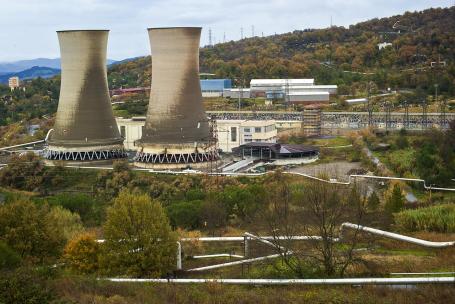
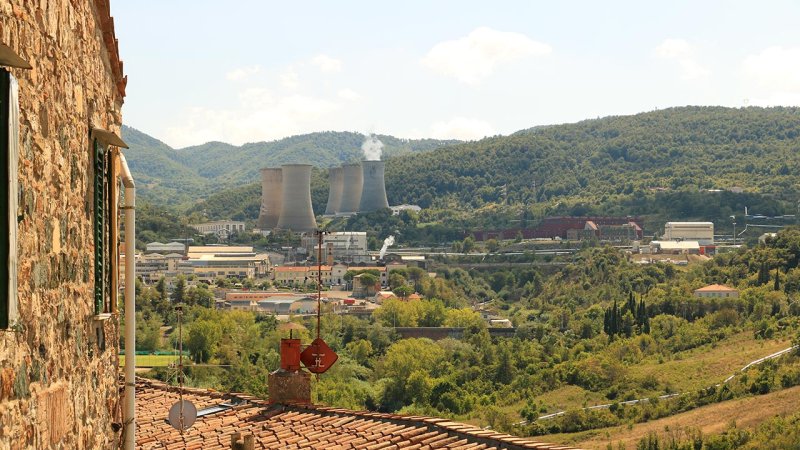
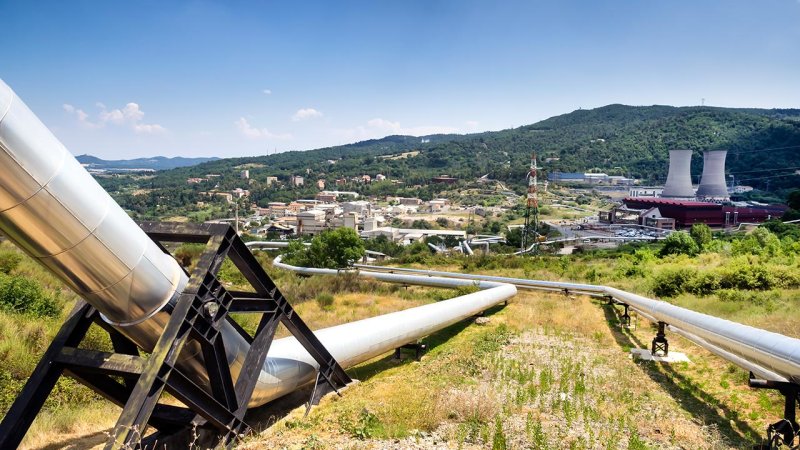
In the early 20th century, the first attempts of harnessing geothermal energy for energetic purposes were made. In 1904, Piero Ginori Conti tested the first piston steam engine powered electric dynamo, using geothermal dry steam in the Larderello region of Italy. The dynamo lit five light bulbs. Seven years later, the first commercial geothermal power plant was built in that location. It was continuously improved and in 1942 it reached an output of 127 MW. Larderello was the only geothermal power plant in the world until 1958, when the Wairakei Power Station in New Zealand (map) was built.
The first heat pumps utilizing geothermal energy were installed in the 1940's.
The first demonstrations of geothermal power plants with a binary cycle were built in Russia in the late sixties and fourteen years later they were introduced in the USA.
Direct Heat Utilization
Geothermal sources that are used directly are usually not suitable for the generation of electricity, although waste heat from geothermal power plants can be used in this way.
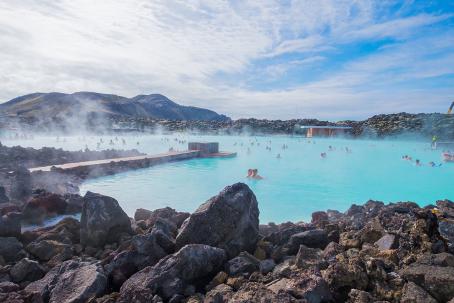
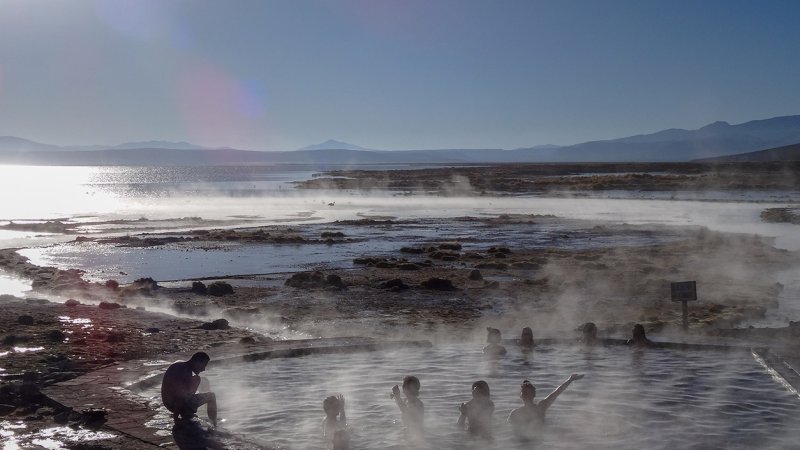
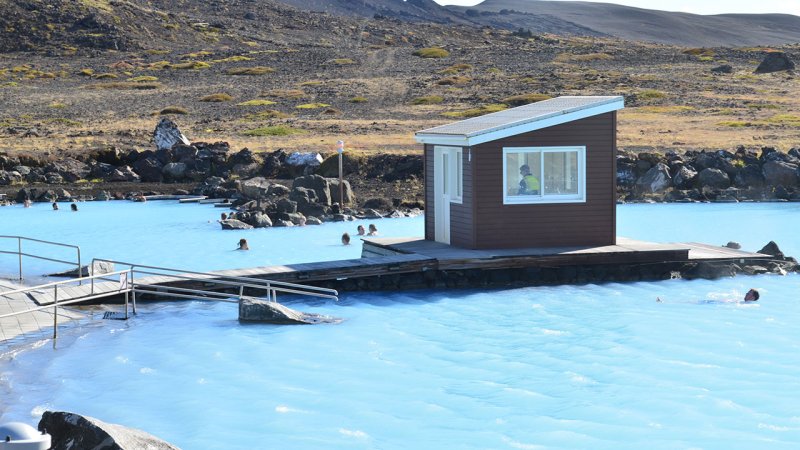
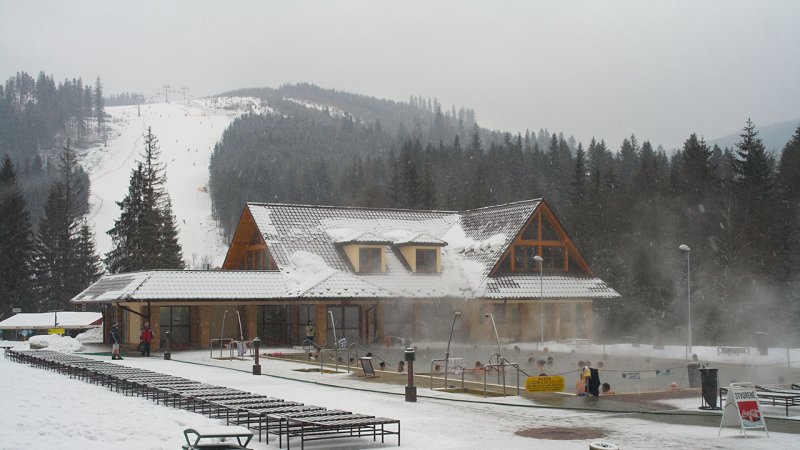
The first examples of this use are the spas. Spas date back to ancient times and the healing properties of hot and often mineralized water quickly led to the establishment of medicinal and relaxation spa resorts.
Today the most important direct use of geothermal sources is the central and residential heating of buildings. Geothermal heating is used in about 70 countries. In some cases, hot water is led directly into radiators. However, it more often gives away its energy in heat exchangers due to its high mineralisation. About a half of geothermal heat is used for interior heating. About a third is used in spas and the rest is used for other purposes.
Low-potential heat can be used for heating greenhouses and agricultural land in general. Farmers have the chance to grow plants that would otherwise wither in the given colder environment. Geothermal heat can also be useful when breeding heat-loving aquatic animals. Shrimp and certain kinds of fish thrive in warm water.
Industrial use of geothermal energy, aside from generating electricity, focuses on the drying of food products and on technological processes that require frequent heating of materials. An interesting use of geothermal energy is the desalinization of water.
The Earth's heat can be utilized even in places with virtually no geothermal potential by means of heat pumps. Heat pumps use the same principle as compressor refrigerators. They take heat from their surroundings (i.e. soil, but also water or air) and release it indoors. Heat pumps require electricity to run but they supply five times the heat of an electric heater with the same consumption. The output of all the heat pumps in the world is already comparable to the output of all geothermal power plants.

Keep reading
Articles
Heat from the Earth's Core
Earth is composed of a crust, mantle, and core that is about 5000 °C hot. The edges of lithospheric plates are suitable for geothermal power plants.
3 min read
Geothermal Phenomena
In places with high geothermal energy levels, geysers (springs that burst out water and steam), hot springs, fumaroles, and mud pots can be observed.
3 min read
Geothermal Systems
To exploit various geological conditions, these geothermal systems can be used: Hot water, Water and steam, Hot dry rock, Pressurized liquid or Magma.
4 min read
Geothermal Power Plant
Three types of geothermal power plants are Dry steam, Flash steam, and Binary cycle. The world's largest geothermal power plant is Cerro Prieto, Mexico.
5 min read
Environmental Impact
Water and vapour released from geothermal power plant can contain impurities (e.g. carbon dioxide, ammonia, or mercury) that can pollute the environment.
3 min read