Wind Turbines and the Environment
3 min read · Energy Atlas Editorial
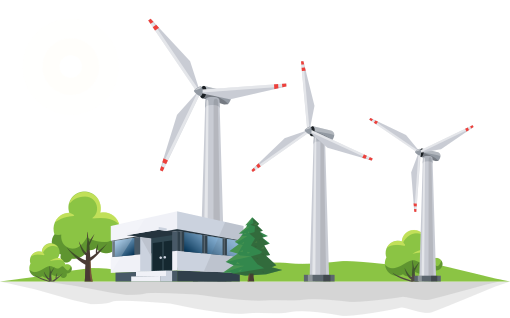
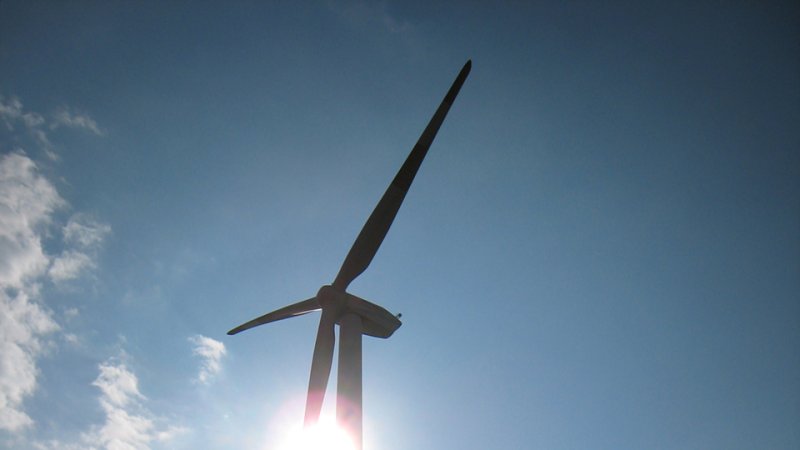
A wind power plants produce no emissions or waste, could be a source of noise or strobe effect, are a distinctive landmark, and require large areas.
Impacts of Wind Turbines on the Environment
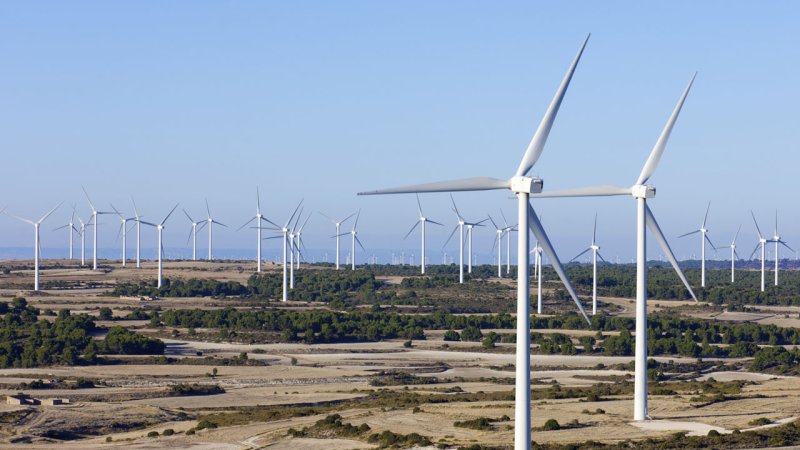
Wind turbines generate electricity without direct emissions from fuel combustion during operation. However, like other energy technologies, wind power has environmental impacts associated with the manufacture, construction, operation and decommissioning of its facilities. Wind farms also require relatively large areas because turbines must be spaced apart to reduce aerodynamic interference and wake effects.
Noise
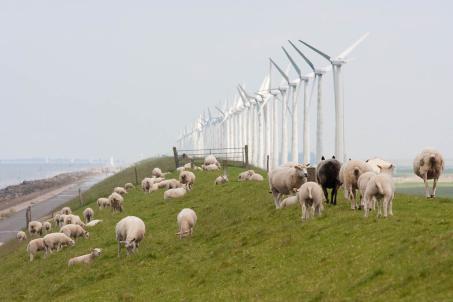
The effects of wind turbines on nearby residents are associated mainly with noise and shadow flicker. Turbine noise has both mechanical and aerodynamic sources, with aerodynamic noise generated primarily by the movement of rotor blades through the air. Modern turbine designs and operational control systems help to reduce noise, while appropriate siting and setback distances are used to limit its impact on nearby residents.
Shadow Flicker
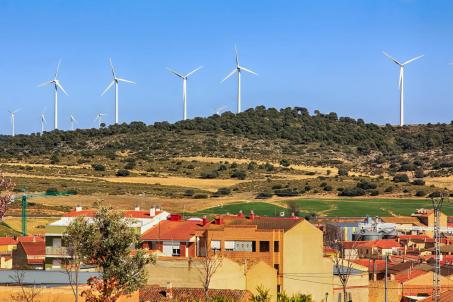
Shadow flicker occurs when rotating turbine blades pass between the Sun and an observer, casting moving shadows when the Sun is low in the sky. The effect occurs only under particular conditions and can be limited through appropriate turbine siting or, where necessary, by temporarily shutting down the turbine during affected periods.
Influence on Bird Populations
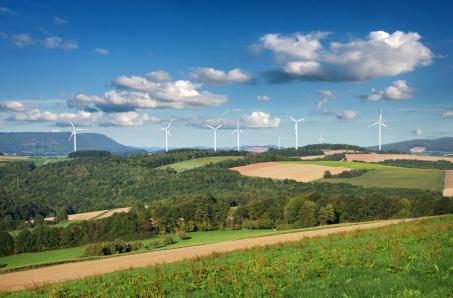
The influence of wind turbines on bird populations varies between species and locations. Some species avoid wind turbines, while others are less affected by their presence. Birds can also be killed by collisions with turbine blades. Careful siting is therefore important, particularly to avoid areas with high concentrations of vulnerable species and important migration routes.
Aesthetic Impact
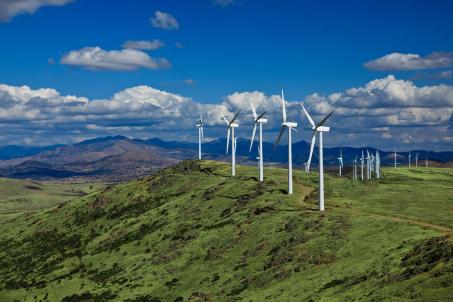
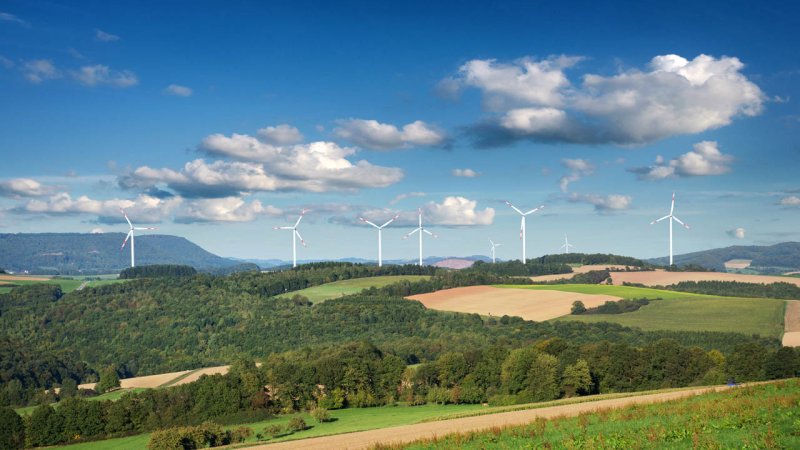
An operational wind turbine becomes a prominent feature of the landscape. Its visual effect on people is highly subjective. Particular consideration is therefore required when planning wind farms in or near protected areas and landscapes of high scenic value.
A 1,000 MW wind farm may extend over more than 100 km2, while a nuclear or thermal power plant typically occupies only a few square kilometres. However, most of the land between the turbines remains available for other uses.
Keep reading
Articles
The Energy of Flowing Air
The movement of air masses between two differently warm places is called a wind. Most wind turbines reach their maximum output at a wind speed of 15 m/s.
3 min read
The Beaufort Wind Force Scale
The Beaufort Wind Force Scale, originally from 0 to 12, helps to estimate the force of the wind by observation of its effects.
3 min read
The History of Wind Power Utilization
The ancient wind mills powered irrigation pumps or ground grain. Since 1887, wind power has been used for electricity production in wind turbines.
3 min read
Wind Power Plants
The wind power plants are on the drag principle (historic windmills) or the lift principle (modern turbines). A horizontal or vertical axis is used.
3 min read
Wind Turbine and its Working Principle
The wind turbine transforms the kinetic energy of the flowing air into rotational movements of the rotor blades, which turns the generator.
3 min read
The Largest Wind Farms
The largest onshore wind farm is Roscoe, Texas, USA, with 627 turbines, while the largest offshore wind farm is Thanet, UK, with 100 turbines.
3 min read
Types of Wind Turbines
The wind turbines can have a vertical axis, which is the majority of installations, or a horizontal axis like the Darrieus or Savonius turbines.
5 min read