Jaroslav Kores, Ph.D.
What is the current progress in energy storage technologies?
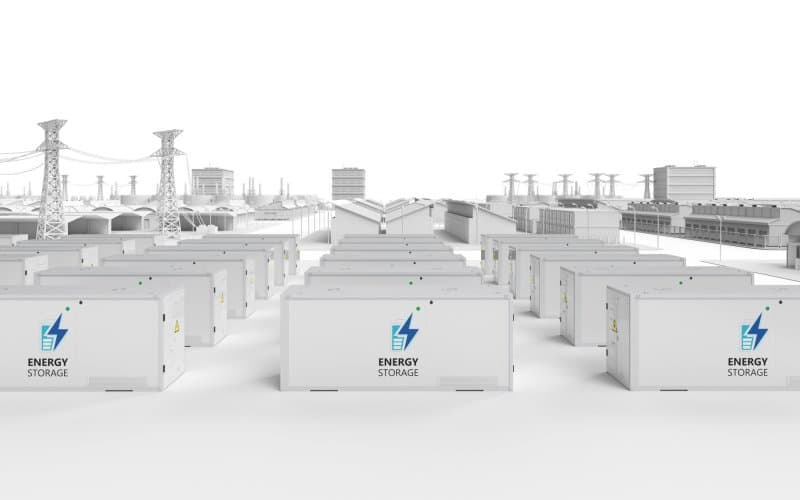
The development and expansion of energy storage systems are closely tied to the transition toward renewable energy sources. Renewables supply energy only under suitable environmental conditions (when the sun shines or the wind blows) yet these are not always the times when energy is actually needed. Because we cannot create or destroy energy, only convert it from one form to another, we sometimes face situations where surplus energy must be "curtailed", often being dissipated as heat.
If we could store excess energy efficiently and feed it back into the grid when demand arises, we could significantly reduce reliance on fossil fuels.
Energy storage systems are characterized by two key parameters: Energy capacity — the total amount of energy the system can hold, usually measured in kilowatt-hours (kWh) or, for batteries, in ampere-hours (Ah). Power output — the rate at which stored energy can be released, measured in watts (W). In practice, another important factor is energy density, which can be expressed either per unit of mass (Wh/kg) or per unit of volume (Wh/l), since both the size and weight of the storage system limit its practical use.
The most familiar form of energy storage is batteries, from those in mobile phones to large-scale systems in electric vehicles. Lithium-ion (Li-ion) batteries typically store around 200 Wh per kilogram, or about 400 Wh per liter (roughly a cube of 10 × 10 × 10 cm). Sodium-sulfur (NaS) batteries have a similar energy density by weight but about twice the energy density by volume.
By contrast, compressed hydrogen can store around ten times more energy per liter than Li-ion batteries, and liquid hydrogen up to twenty times more. From the mass perspective, 1 kilogram of hydrogen contains roughly 15 times more energy than 1 kilogram of a Li-ion battery.
Energy can also be stored gravitationally by lifting heavy masses or pumping water to a higher elevation, as done in pumped-storage hydropower plants. A liter of water in such a system can deliver twice as much energy as a liter of battery storage, but one kilogram of water holds about 100 times less energy than one kilogram of batteries.
So why are pumped-storage plants still far more widespread than battery systems? The answer lies in scale and economics. Water is readily available, can be accumulated in large quantities, and can deliver high power output when needed. Moreover, pumped-storage plants are up to ten times cheaper to build and operate and have a much longer lifespan. For instance, replacing the Dlouhé stráně pumped-storage power plant in the Czech Republic would require approximately 200 million smartphone batteries. The plant has been operating for 50 years — during which those batteries would have needed to be replaced at least ten times.
Finally, the efficiency and form of stored energy also matters. For instance, thermal energy storage can be achieved using molten salts, which are already employed in some concentrated solar power (CSP) systems.
In summary, the development of energy storage technologies is accelerating, but on a large scale we have yet to discover a more practical and sustainable solution than the millennia-old principle of using the potential energy of water.
More mysteries
Keep exploring questions other readers asked.
Jaroslav Kores, Ph.D.
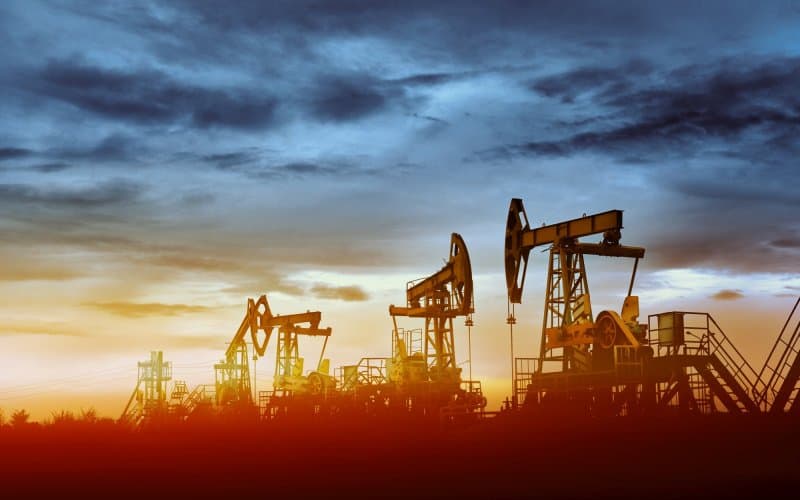
What is the current ratio of fossil fuel consumption — coal, oil, natural gas — compared to renewable energy sources (such as solar, hydro, etc.)?
Let me first clarify that by fuel consumption, I mean the total energy use across all sectors, not just electricity generation. This distinction is important especially for oil, which is used primarily in transportation…
Read the answer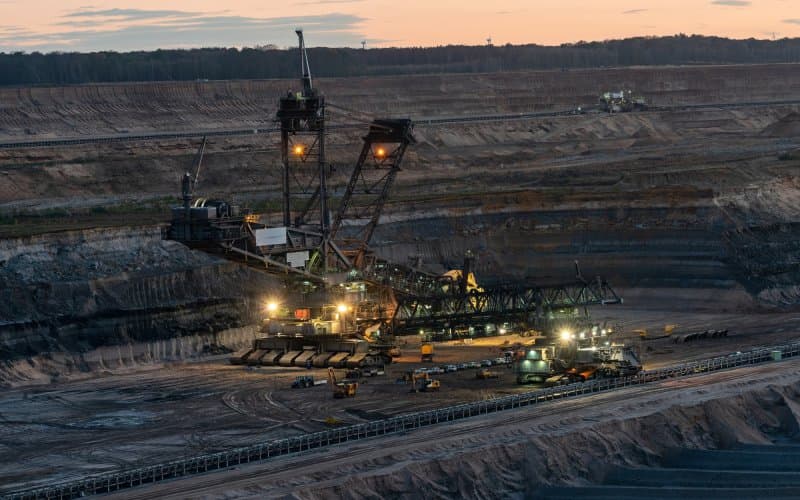
Jaroslav Kores, Ph.D.
When will we run out of coal and other fossil fuels at the current rate of consumption?
It's impossible to give a precise answer for several reasons. Global energy consumption is still growing, new fossil fuel deposits may be discovered, extraction efficiency from existing reserves can improve, and previous…
Read the answer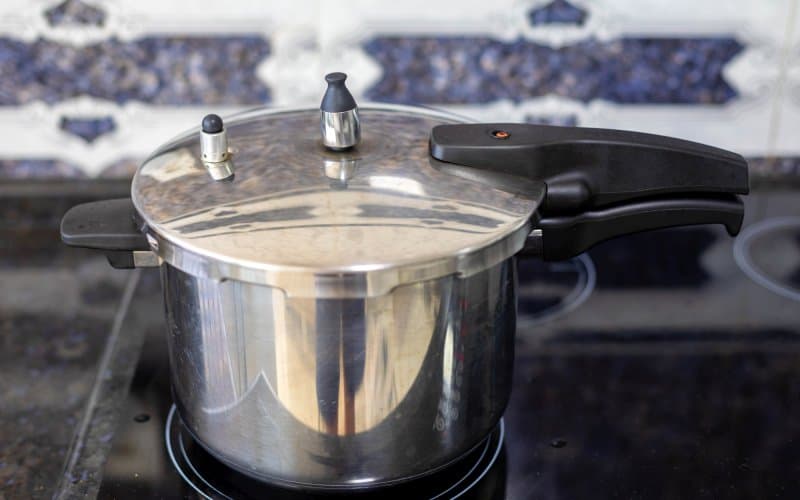
Jan Jirmus
Pressure Cooker — Why Does It Cook Faster?
Physics in the kitchen Everyone knows that water boils at 100 °C. That's true – but only at the air pressure we have "at sea level." If the pressure is increased, water doesn't start boiling at 100 °C but at a higher tem…
Read the answerWant to ask something?
Send us an e-mail with the subject "Physics mysteries" to the address below, or use the contact form.
We can't wait to tackle your interesting questions!