Jan Jirmus
Pressure Cooker — Why Does It Cook Faster?
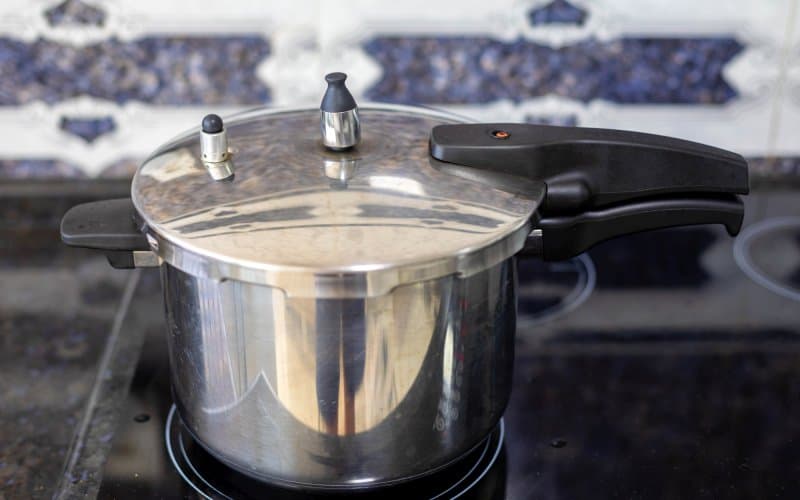
Physics in the kitchen Everyone knows that water boils at 100 °C. That's true – but only at the air pressure we have "at sea level." If the pressure is increased, water doesn't start boiling at 100 °C but at a higher temperature. And that's exactly what a pressure cooker does: it traps steam that cannot escape, and this raises the pressure inside the pot. In a regular pot, water boils at 100 °C. In a pot with a well-fitted lid, the pressure rises slightly, and water boils at about 101—102 °C. In a pressure cooker, the pressure rises to about 1.5—2 times atmospheric pressure → water boils at 115—120 °C. So inside a pressure cooker, food is not cooking in "normally hot" water, but in an environment that is 15—20 °C hotter than in an ordinary pot. What this means for cooking meat Cooking meat is not just about water temperature — the real process is breaking down proteins, collagen, and other substances that make meat tough. These processes accelerate as the temperature rises.
Example, 1 kg of beef for stew: In a regular pot: about 120 minutes → meat simmers at 100 °C. In a pot with a lid: about 100—110 minutes → only a small improvement. In a pressure cooker: 40—50 minutes → thanks to 115—120 °C, the meat breaks down 2—3 times faster. With legumes the difference is even greater: lentils that normally take nearly an hour are done in 15 minutes in a pressure cooker. Why the pressure cooker is safe Some people remember old stories about "exploding" pressure cookers. But modern models have two or three safety valves. These release steam as soon as the pressure exceeds the set value.
To imagine the forces involved: a lid 20 cm in diameter under an extra 1 bar (100 kPa) of pressure is held down by a force of more than 300 kg. That's why strong construction and a safety valve are absolutely essential. Comparison at a glance Type of pot Boiling temperature of water Cooking time for 1 kg beef Energy use Open pot 100 °C ~ 120 min high (steam escapes) Pot with lid 101—102 °C ~ 100—110 min medium Pressure cooker 115—120 °C ~ 40—50 min low
More mysteries
Keep exploring questions other readers asked.
Jaroslav Kores, Ph.D.
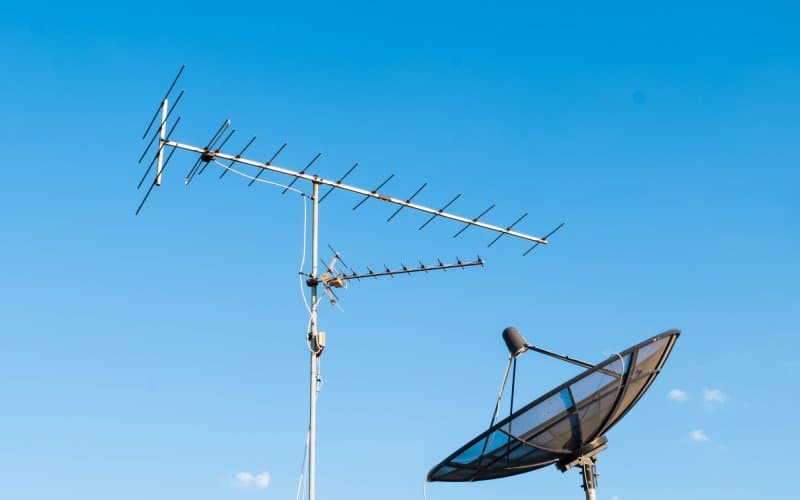
Why are satellite antennas pointed south?
Why is this the case? Satellite reception is provided (unsurprisingly) by satellites — transmitters that orbit the Earth. One satellite that we are all familiar with is the Moon. It also orbits the Earth. Its period (the…
Read the answer
Jaroslav Kores, Ph.D.
Could the Earth be a black hole?
Gravitational force depends on the mass of Earth (6 × 1024 kg) and its radius (6,378 km), while centrifugal force depends on the radius of rotation (i.e., the radius of Earth) and the square of the speed—in the cas…
Read the answer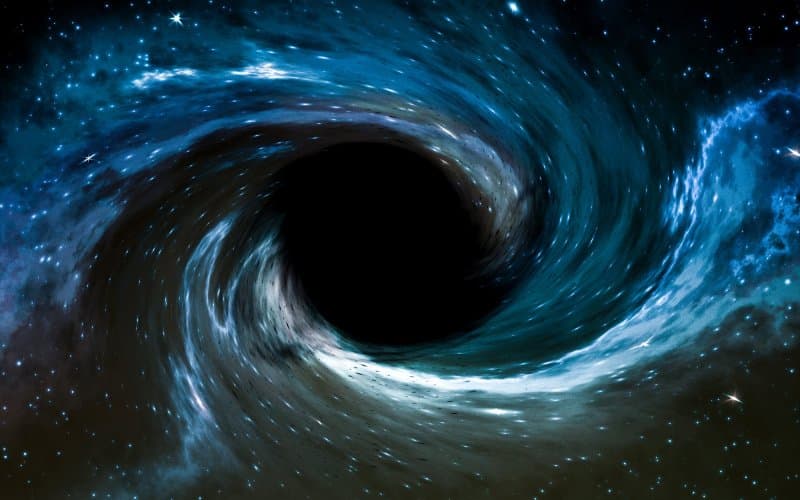
Jaroslav Kores, Ph.D.
Why is a black hole black?
We can determine the value of the force of gravity from Newton's law of gravity, from which we can also determine the value of the gravitational field intensity around each body. We all know from experience that if we th…
Read the answerWant to ask something?
Send us an e-mail with the subject "Physics mysteries" to the address below, or use the contact form.
We can't wait to tackle your interesting questions!