Jaroslav Kores, Ph.D.
What are the future energy consumption estimates?
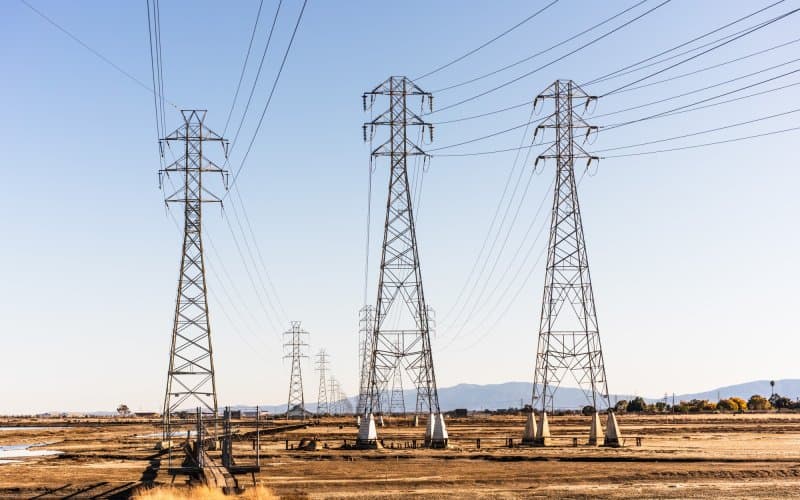
Because these are estimates, several different scenarios can be found and they are quite different. In principle, I believe we can expect energy consumption to increase, particularly due to the rise in energy consumption in developing countries (Africa, Asia), where industry will be developing. According to an EIA study, it is estimated that there will be an increase in energy consumption of approximately 50%. (International Energy Outlook Consumption; by 2050, global energy use in the Reference case increases by nearly 50% compared to 2020 — mostly as a result of non-OECD economic growth and population, particularly in Asia — The Energy Information Administration (EIA)). Conversely, there is an effort to mitigate the environmental impact of energy production which can be achieved both by reducing consumption and by reducing the use of non-renewable resources, particularly the burning of hydrocarbons. A study by the IEA (but only for 38 developed countries) estimates that energy consumption will need to be reduced to meet climate goals.
From both of these values, it is clear that the future of energy consumption is difficult to predict and will depend primarily on our ability to build "clean" energy sources in developing countries. Additionally, it will depend on new technologies and their energy needs. It's interesting to note that, for example, cryptocurrencies, cloud storage, and the operation of artificial intelligence consume more energy annually than the consumption of, for example, Germany, Great Britain, and Italy combined. And in the areas of AI and data centers, consumption is expected to roughly double by 2030.
Although developed countries are trying to increase energy consumption efficiency and thus reduce their consumption, consumption is growing due to new technologies. So, to answer the question, I would say that energy consumption is still growing, and how much it grows will depend mainly on how quickly energy demands increase in developing countries. To be able to at least mitigate the environmental impact of electricity production, we should utilize renewable sources as much as possible, nuclear energy, or invest significantly more in nuclear fusion.
More mysteries
Keep exploring questions other readers asked.
Jaroslav Kores, Ph.D.
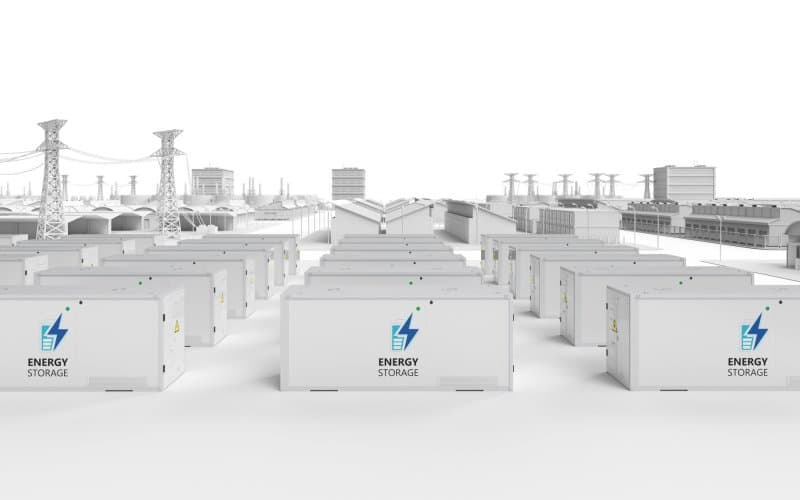
What is the current progress in energy storage technologies?
The development and expansion of energy storage systems are closely tied to the transition toward renewable energy sources. Renewables supply energy only under suitable environmental conditions (when the sun shines or th…
Read the answer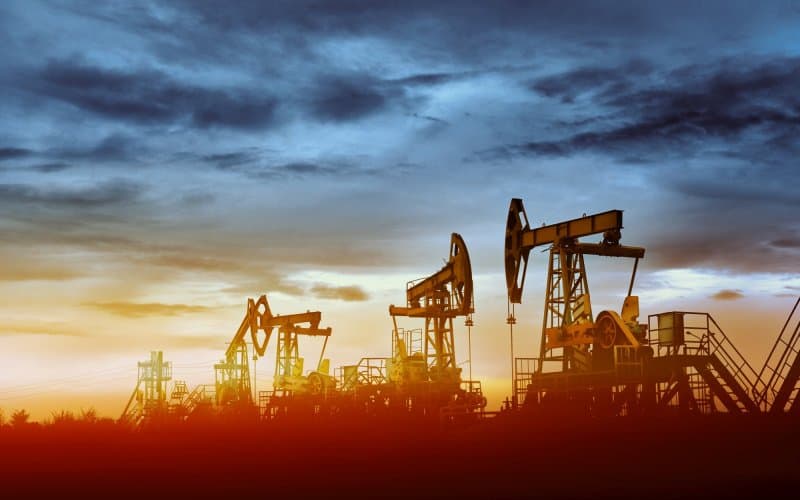
Jaroslav Kores, Ph.D.
What is the current ratio of fossil fuel consumption — coal, oil, natural gas — compared to renewable energy sources (such as solar, hydro, etc.)?
Let me first clarify that by fuel consumption, I mean the total energy use across all sectors, not just electricity generation. This distinction is important especially for oil, which is used primarily in transportation…
Read the answer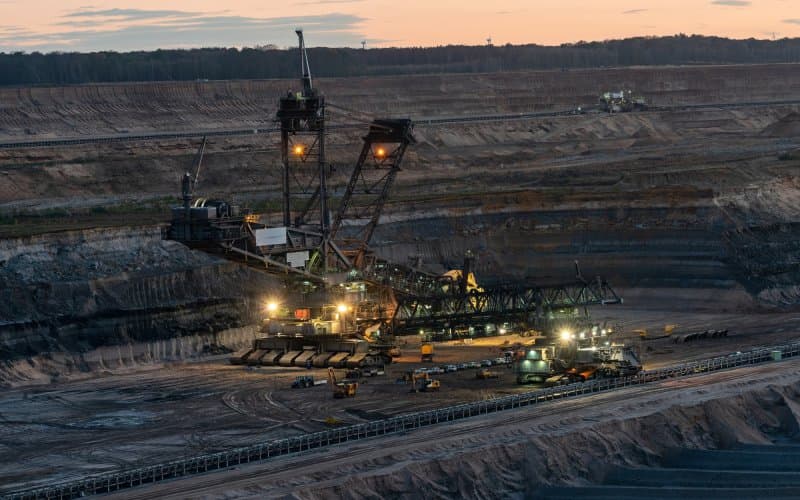
Jaroslav Kores, Ph.D.
When will we run out of coal and other fossil fuels at the current rate of consumption?
It's impossible to give a precise answer for several reasons. Global energy consumption is still growing, new fossil fuel deposits may be discovered, extraction efficiency from existing reserves can improve, and previous…
Read the answerWant to ask something?
Send us an e-mail with the subject "Physics mysteries" to the address below, or use the contact form.
We can't wait to tackle your interesting questions!