Nuclear Safety
3 min read · Energy Atlas Editorial
Nuclear safety is the ability of a nuclear facility to keep the fission process and resulting radioactive products always under control.
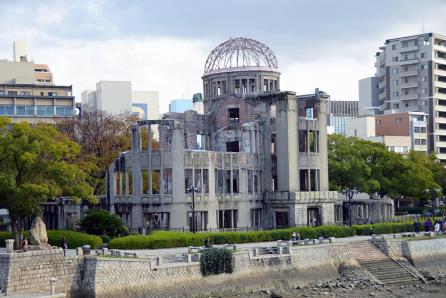
Electricity must be generated economically and in sufficient quantities, but also with due regard for people and the environment. The energy of fire has been known to humanity since the dawn of civilisation. People gradually learned about its potentially harmful effects and how to use fire safely. Nuclear energy, however, is a much more recent discovery, and public awareness of its enormous power was strongly shaped by the atomic bombings at the end of the Second World War. Quite naturally, people were concerned about what would happen if a nuclear fission reaction got out of control.
From the very beginning of the peaceful use of nuclear energy, strict safety measures have therefore been applied. The set of principles and measures referred to as nuclear safety is intended to ensure that nuclear energy is used safely. Safety systems and procedures are continuously improved as experience is gained from the operation of nuclear power plants and lessons are learned from incidents and accidents. Operator training and safety culture have also developed considerably.
Nuclear power plants use multiple independent levels of protection so that the failure of a single component or system does not compromise safety.
What is Nuclear Safety?
Nuclear safety is the ability of a nuclear facility and its operators to keep the fission process under control, ensure adequate cooling of the nuclear fuel and prevent the uncontrolled release of radioactive substances into the environment. Its goal is to prevent accidents and minimise their consequences. In the event of an accident, any release of radioactive substances into the environment and its harmful effects on people and the environment must be minimised.
The easiest and most effective method is accident prevention, and every nuclear power plant implements numerous measures to achieve this. Firstly, the plant is designed with multiple levels of protection and redundant safety systems that complement the inherent safety characteristics of the reactor. In many situations, inherent physical characteristics and passive safety features can help stabilise the reactor without operator intervention or external power. In addition, safety-related equipment is regularly inspected, tested and maintained in order to detect possible failures. Critical safety functions are generally provided by redundant and, where appropriate, diverse systems.
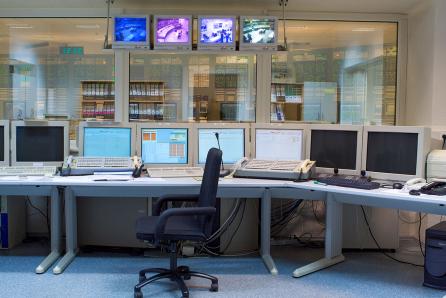
Operator training and testing are also very important to ensure that personnel are able to respond correctly to abnormal situations. Automation, operating procedures and engineered safety features also help to prevent or mitigate the consequences of human error.
A nuclear power plant is designed to cope with a wide range of postulated equipment failures and accident conditions. Safety systems are provided to prevent such events from escalating and to mitigate their consequences. Events considered in the design include design basis accidents, for which the plant must meet specified safety criteria and prevent unacceptable radiological consequences. Modern nuclear power plants also consider more severe accident conditions in their design and provide additional measures to prevent large radioactive releases and mitigate the consequences of severe accidents.
6 pictures 6 pictures
Safety systems use redundancy and, where appropriate, diversity to ensure that essential safety functions remain available even if individual components fail.
Keep reading
Articles
The Safety of Nuclear Power Plants
Safety is an important aspect of nuclear power plants. Safe operation and fuel handling have to be ensured to reduce the risk of a nuclear accident.
3 min read
Safety Systems
The safety of nuclear power plants is ensured by inherent safety measures that rely on physical laws, bariers, and systems redundancy.
8 min read
External Hazards
The nuclear power plant has to withstand terrorist attack, operator error, system malfunction, or natural disasters like floods, earthquakes, or tsunami.
3 min read
INES Scale
INES, the international nuclear and radiological event scale from 1 to 7, is used to clearly communicate the severity of a nuclear accident.
4 min read
Nuclear Accidents
In the nuclear power industry, only three large accidents have occurred: Three Mile Island (1979), Chernobyl (1986) and Fukushima Daiichi (2011).
15 min read
International Nuclear Organizations
There are several organizations supervising the nuclear power industry, like the International Atomic Energy Agency or the World Nuclear Association.
3 min read
Nuclear Power Plants and the Environment
Nuclear power plants are safe and clean. They release no CO2 or emissions. Almost all of their waste is in solid form, albeit highly radioactive.
3 min read