Jaroslav Kores, Ph.D.
How much will I save if I heat to 21 °C instead of 24 °C?

In my search for an answer to this question, I came across the 6% rule. This is a fairly simple rule that empirically (i.e., from experience) determines that every 1 °C decrease in temperature leads to a 6% reduction in heating costs. This rule has been verified by several different measurements and is generally used in the field of savings. However, it is clear that this is a rough estimate, because if, for example, outside was 19 °C, and we lowered the heating temperature from 20 °C to 19 °C, we would save 100% on heating.
From the example above, it is clear that savings depend on the temperature we heat to and the ambient temperature. Certainly, the savings will also depend on the wall material Insulated walls let less heat escape than uninsulated ones. It certainly also depends on the area and thickness of the walls. The wider and thinner the wall, the easier heat escapes from the house.
However, we kept these influences the same in the question, so in the end, we can consider the 6% rule to be consistent with reality. I'll just add that we could proceed in the same way with air conditioning. This time, we would be addressing the same problem, but in reverse, meaning that heat is transferring from the outside to the inside. And here we could also use the 6% rule.
More mysteries
Keep exploring questions other readers asked.
Jaroslav Kores, Ph.D.
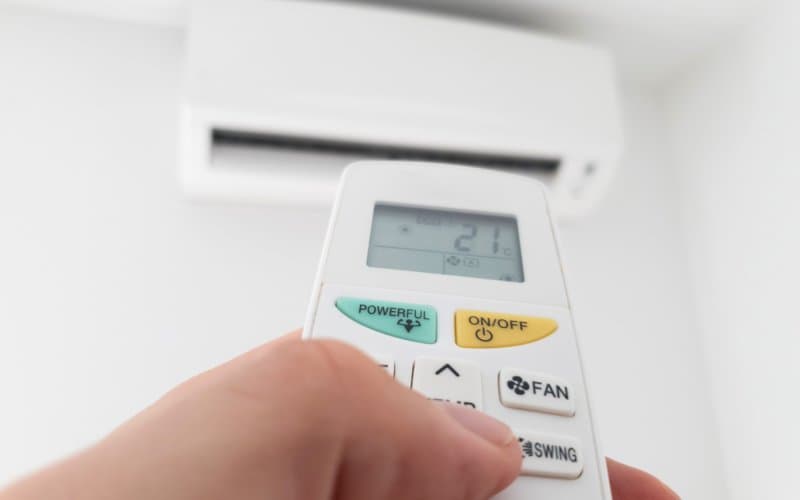
What consumes the most energy in a household?
The highest energy consumption in a household comes from appliances that produce heat and/or cooling. So it typically involves heating, air conditioning, stoves, cookers, microwaves, or kettles. Based on how much the dev…
Read the answer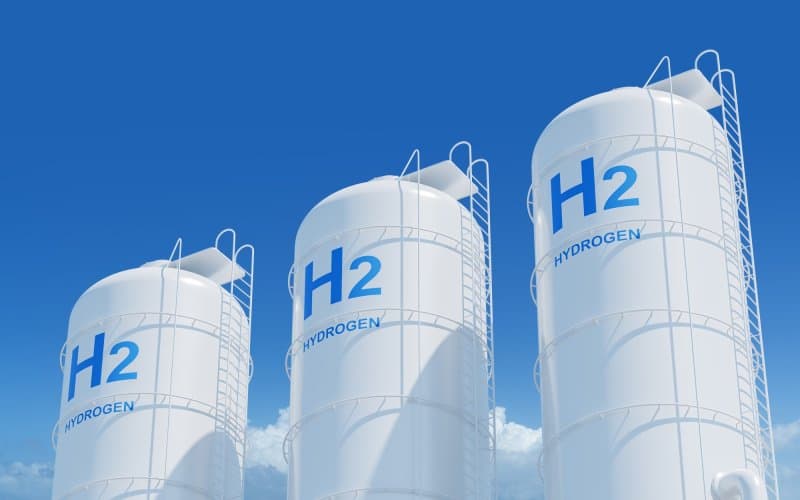
Jaroslav Kores, Ph.D.
Is hydrogen the energy fuel of the future?
Generally, it's hard to say. The development of technology is influenced by more aspects than just a physical perspective. In any case, hydrogen appears to be a suitable fuel for two reasons — it has the highest calorifi…
Read the answer
Jaroslav Kores, Ph.D.
How should we understand the decentralization of electricity production?
Previously, electricity generation was centralized because building a power plant was expensive in terms of finance, technology, and materials. Therefore, power plants were initially built either in locations where the r…
Read the answerWant to ask something?
Send us an e-mail with the subject "Physics mysteries" to the address below, or use the contact form.
We can't wait to tackle your interesting questions!