Biomass
3 min read · Energy Atlas Editorial
Solar energy is conserved in plants into carbon bonds during photosynthesis. The biomass is divided into phytomass, dendromass, and zoomass.
What is Biomass
Biomass is biologic non-fossil matter or the building material of all organisms; animals as well as plants. In the power industry the term biomass usually means plant material that is suitable for generation of electricity and heat.
The amount of energy conserved yearly in biomass is 5 times greater than the amount consumed (by our civilization) worldwide.
Origin of Biomass
The bonded chemical energy contained in biomass is in fact, conserved solar energy stored during the process of photosynthesis in the green parts of plants that contain chlorophyll. It is this carbon bond energy that can be used in power production.
In the process of photosynthesis, simple sugars are assembled from water, nutrients from the soil and airborne carbon dioxide. These are further processed into more complex sugars and finally proteins; the basic building blocks of living organisms. Since carbon, with its chemical bonds, is the basic building block of all living tissue, the energy stored in carbon compounds can later be utilized to generate power.
Chemical equation of photosynthesis:
6 CO2+12 H2O → (solar energy) → C6H1206 + 6 O2 + 6 H2O
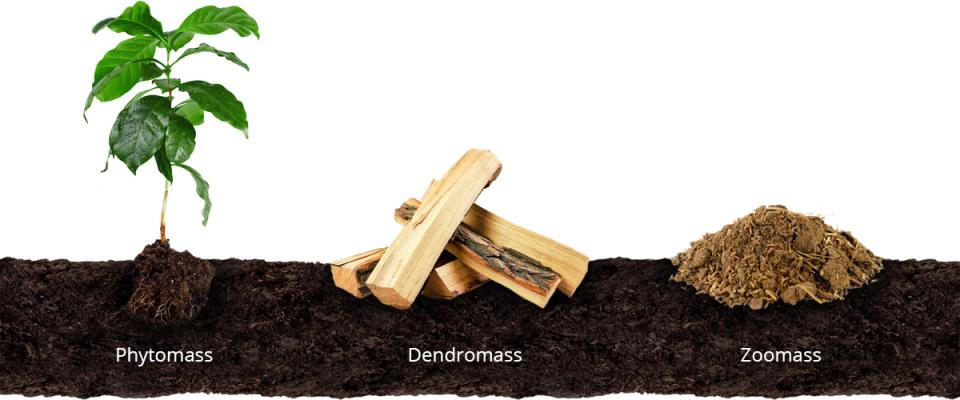
Biomass categorization based on origin
We can categorize biomass into three types according to their origin:
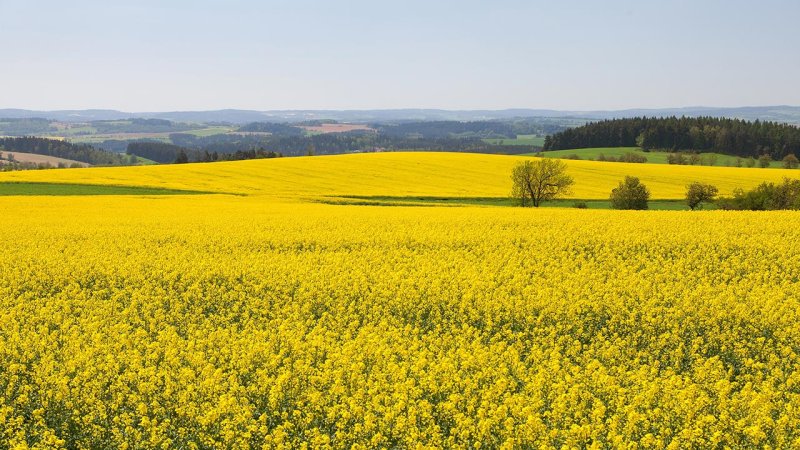
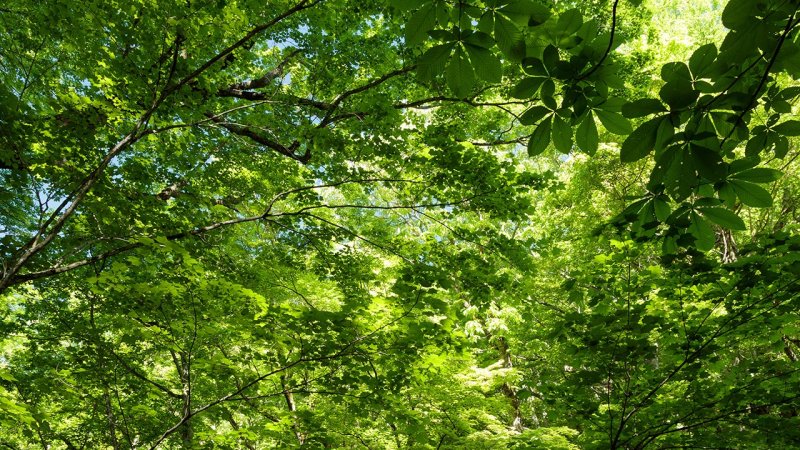
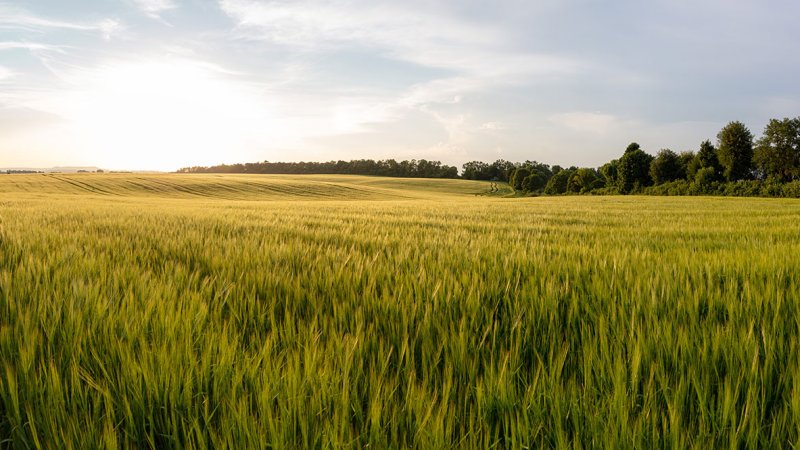
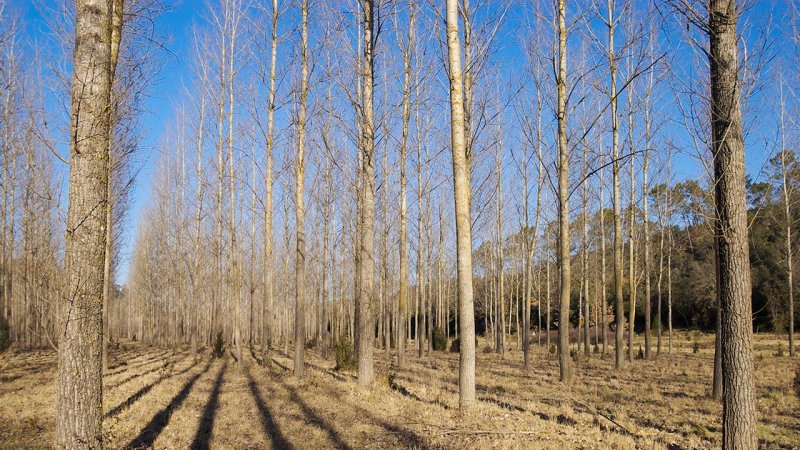
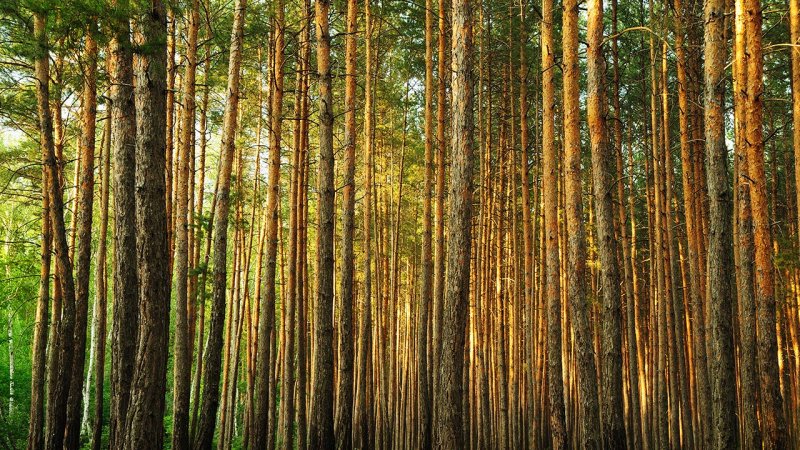
Phytomass one-year and more-years in existing plants · Dendromass forest wood mass · Zoomass animal biomass


Keep reading
Articles
Types and Processing of Biomass
Biomass suitable for combustion is wood, agriculture waste, or energetic plants, often in the form of chips or pellets. Liquid biomass could be fermented.
5 min read
Available Technology of Biomass
The biomass can be combusted or turned into other forms of fuel by gasification, pyrolysis, esterification, anaerobic digestion, or alcoholic fermentation.
4 min read
Biofuels
The solid biomass can be in the form of logs or pellets. Liquid biofuels can be alcohol-based or bio-diesel. Gaseous biofuels can be biogas or hydrogen.
6 min read
Biomass Power Plants
Biomass power plants use biomass or fuels made from it in the Rankine cycle with a classic or gas turbine. Some use reciprocating combustion engines.
3 min read
Biomass and the Environment
The biomass is considered CO₂ neutral. During its combustion, some pollutants are released, depending on the type of biomass and temperature of combustion.
3 min read